
What Are the Different Types of Fencing and How to Choose the Right One
A fence does more than just mark where your property ends. It’s often the first thing people notice about your home, and it plays a big role in keeping your garden private, secure, and protected from the unpredictable UK weather, from heavy rain to strong winds. In simple terms, fencing is any structure built along a boundary, made of materials such as timber, metal, concrete, or stone, designed to enclose, divide, or decorate outdoor space.
Most homeowners in Enfield and beyond don’t realise how many factors go into choosing the right fence until they’re standing in front of a dozen options, unsure which one will hold up best. A fence that looks great in a showroom might not survive a windy corner plot.
This guide walks you through what are the different types of fencing, their pros, cons, and realistic lifespan, so you can choose a fence that fits your space, your budget, and how long you actually want it to last.
Different Types of Fencing for Gardens
Closeboard Fencing
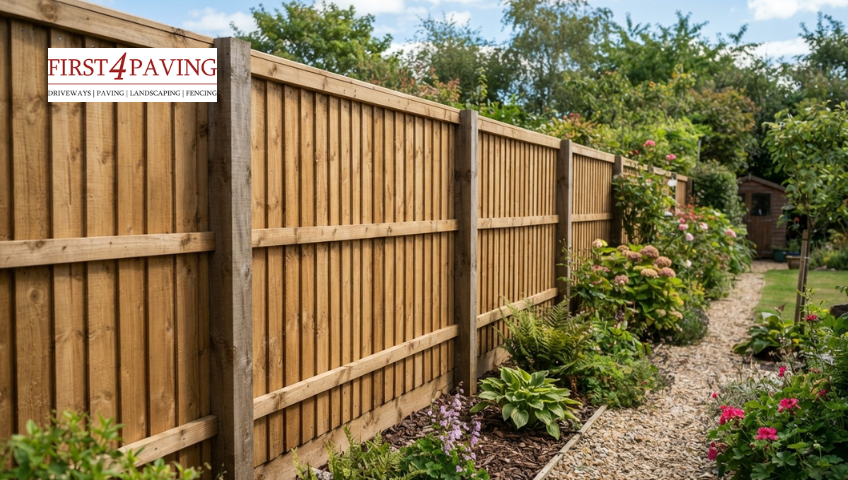
Closeboard fencing is one of the most widely used styles in Enfield gardens, and for good reason. It’s made from overlapping vertical timber boards fixed to horizontal rails, which creates a solid, continuous barrier with no gaps. This makes it a strong choice for anyone who wants both privacy and durability, especially in wind-exposed gardens, since the overlapping design helps it withstand gusts better than flat panels.
Pros
- Excellent privacy with no gaps between boards
- Sturdy and holds up well in windy conditions
- Adds strong kerb appeal with a neat, uniform finish
- Good sound barrier compared to lighter fencing types
Cons
- Costs more than panel fencing
- Needs occasional treatment or staining
- Heavier construction makes installation more labour-intensive
- Can warp over time if not properly treated
Lifespan
With proper care and regular treatment, closeboard fencing typically lasts between 15 and 20 years. Neglecting maintenance can shorten this considerably. Choosing pressure-treated timber can help extend its overall life.
Panel Fencing
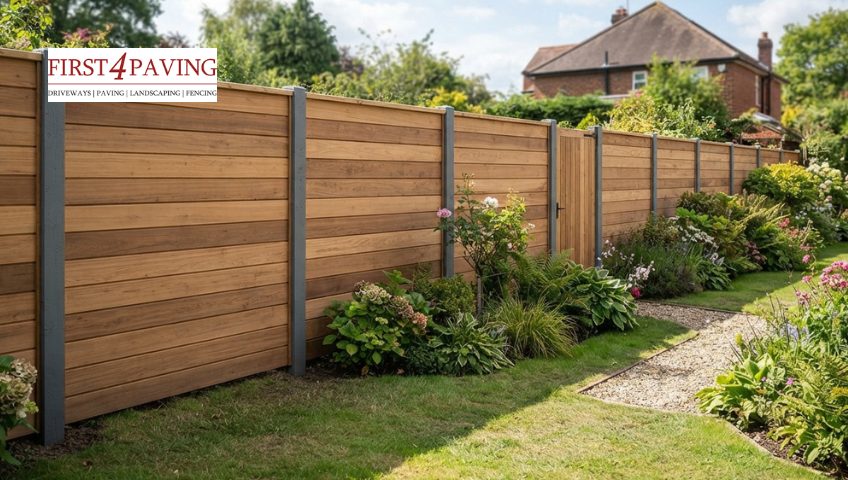
Panel fencing is built from pre-made sections, usually lap or featheredge panels, that are fixed between posts. Because the panels arrive ready-made, installation is much faster than board-by-board fencing, making it a popular option for homeowners who want a fence up quickly without a big budget.
Pros
- Affordable compared to most other fencing types
- Quick and easy to install
- Wide availability in various heights and styles
- Good option for temporary or budget boundary marking
Cons
- Less durable than closeboard fencing
- Can crack or blow out in strong winds
- Thinner panels wear down faster over time
- Limited privacy if panels aren’t tightly fitted
Lifespan
Panel fencing usually lasts around 8 to 12 years, depending on timber quality and exposure to weather. Regular treatment can help it last closer to the upper end of that range. Cheaper panels tend to wear out faster.
Picket Fencing
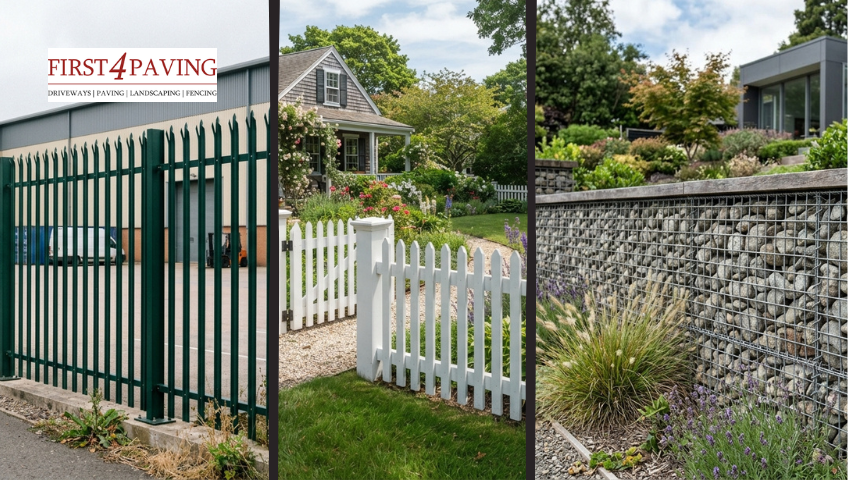
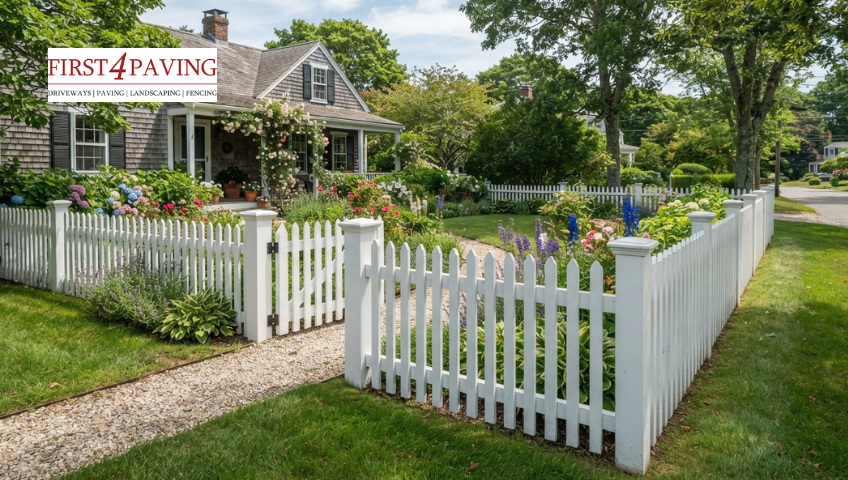
Picket fencing is instantly recognisable, with evenly spaced vertical boards and a low-to-medium height. It’s more about kerb appeal than privacy or security, which is why it’s most often seen along front gardens or as a decorative border rather than a full boundary fence. For a front garden that works as a whole, plan front doorstep ideas alongside the fence.
Pros
- Adds a classic, charming look and boosts kerb appeal
- Easy to install and maintain
- Works well for defining garden borders
- Available in a range of colours and styles
Cons
- Offers very little privacy
- Not a strong deterrent for security
- Requires repainting or staining to maintain appearance
- Not ideal as a sole boundary fence
Lifespan
A well-maintained picket fence typically lasts 10 to 15 years. Painted or treated timber tends to last longer than untreated wood. Exposure to damp conditions can shorten its lifespan.
Trellis Fencing
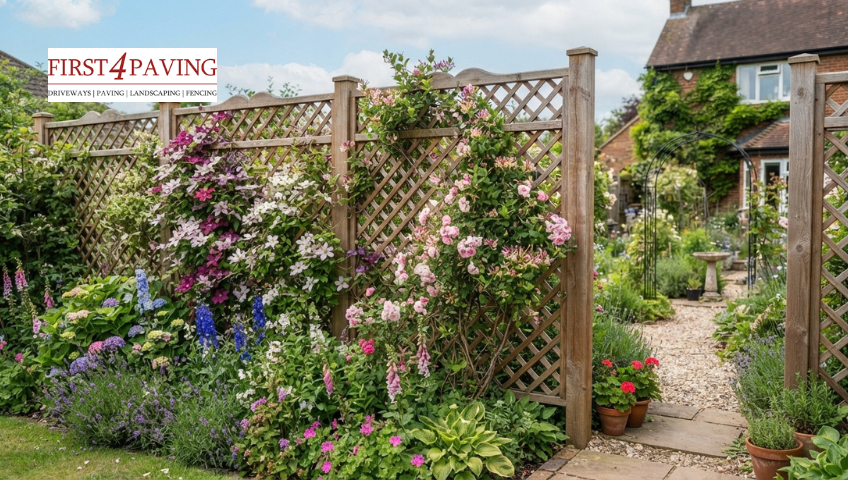
Trellis fencing uses a crisscross lattice pattern and is rarely used on its own. It’s typically added to the top of an existing fence to increase height without making the garden feel too enclosed, and it doubles as a support structure for climbing plants like roses or jasmine.
Pros
- Adds extra height without blocking light or airflow
- Works well as a support for climbing plants
- Softens the look of a plain fence
- Relatively inexpensive to add to an existing fence
Cons
- Doesn’t provide much privacy on its own
- Not suitable as a standalone security fence
- Can weaken over time under the weight of heavy plants
- Requires occasional repair if timber splits
Lifespan
Trellis fencing generally lasts 8 to 12 years, depending on timber quality and exposure. Plant growth can add extra weight and stress over time. Regular checks help catch damage early.
Wrought Iron / Metal Fencing
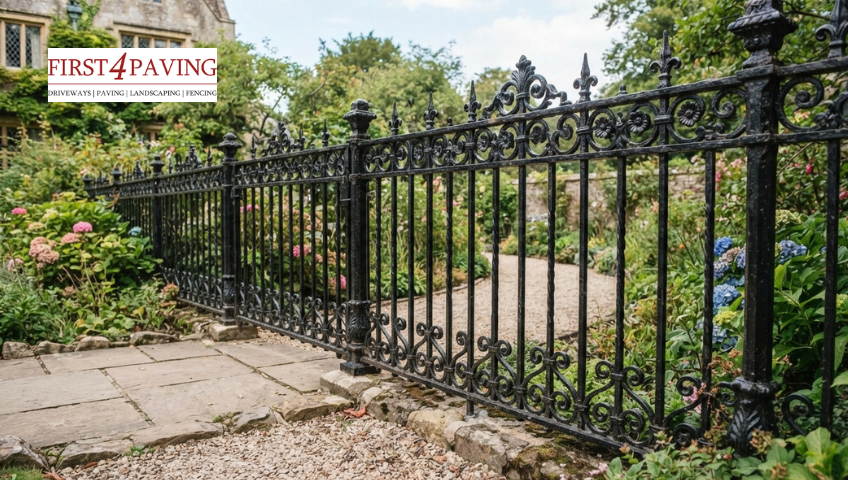
Metal fencing, whether wrought iron, aluminium, or steel, is chosen mainly for its strength and long lifespan. It doesn’t offer much privacy since the design is often open or decorative, but it holds up well against weather and wear, which makes it a common choice for driveways, front boundaries, and properties where security matters more than screening.
Pros
- Extremely strong with high security
- Requires very little maintenance once installed
- Adds an elegant, decorative look to a property
- Resistant to most weather conditions
Cons
- Higher price point than most timber fencing
- Can rust if left untreated
- Offers minimal privacy due to open design
- Installation often requires professional expertise
Lifespan
Metal fencing can last 20 to 30 years or more with galvanised or powder-coated finishes. Regular checks for rust help extend its lifespan further. Coastal areas may see faster wear due to salt exposure.
Chain Link Fencing
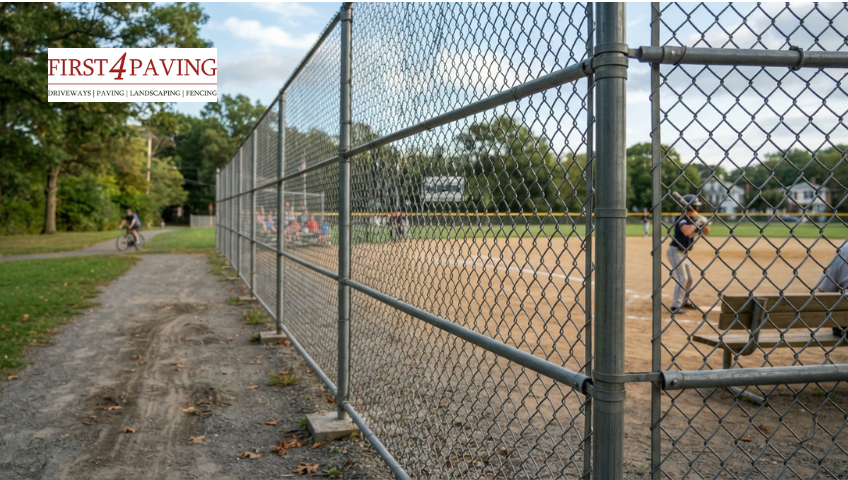
Chain link fencing is a simple mesh fence made from galvanised wire. It’s mainly used to mark out boundaries or contain pets rather than for privacy or appearance, and it’s a common sight around larger plots, allotments, or temporary site boundaries because it’s quick to put up and low cost.
Pros
- One of the cheapest fencing options available
- Quick to install over large areas
- Low maintenance once properly installed
- Effective for containing pets or marking boundaries
Cons
- Offers no privacy at all
- Plain appearance, not ideal for kerb appeal
- Can sag over time if not tensioned correctly
- Less secure than solid fencing types
Lifespan
Chain link fencing typically lasts 15 to 20 years, especially when galvanised or coated. Uncoated wire may rust faster in wet climates. Proper post spacing helps prevent sagging over time.
Vinyl / Composite Fencing
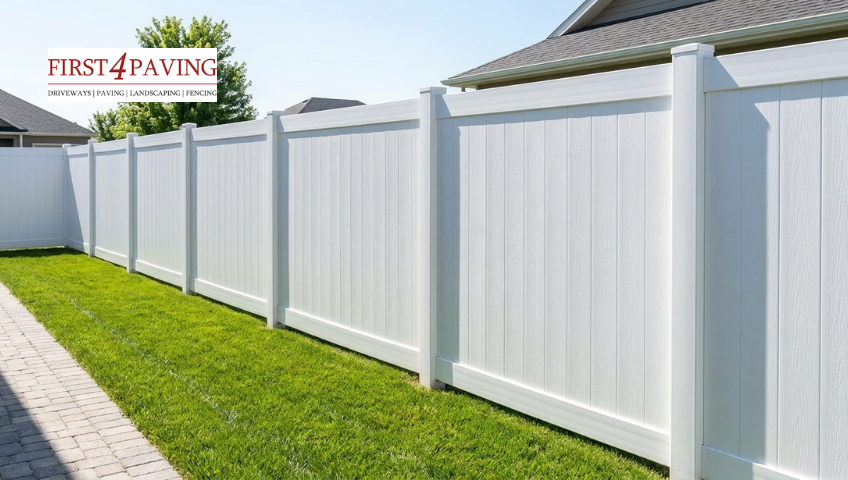
Composite fencing is made from a mix of wood fibres and recycled plastic, giving it the look of timber without the same upkeep. It resists rotting, warping, and fading far better than natural wood, which is why it’s becoming a popular choice for homeowners who want a low-maintenance fence that still looks good year after year.
Pros
- Resists rotting, warping, and fading
- Requires very little ongoing maintenance
- Holds its colour and finish for many years
- Environmentally friendly due to recycled materials
Cons
- Higher upfront cost than timber fencing
- Limited style and colour choices
- Can look less natural than real wood
- Repairs may be harder to match seamlessly
Lifespan
Composite fencing typically lasts 25 to 30 years, making it one of the longer-lasting options. Its resistance to rot and pests helps it outlast most timber fencing. Minimal upkeep is needed to maintain this lifespan
Concrete Fencing / Posts
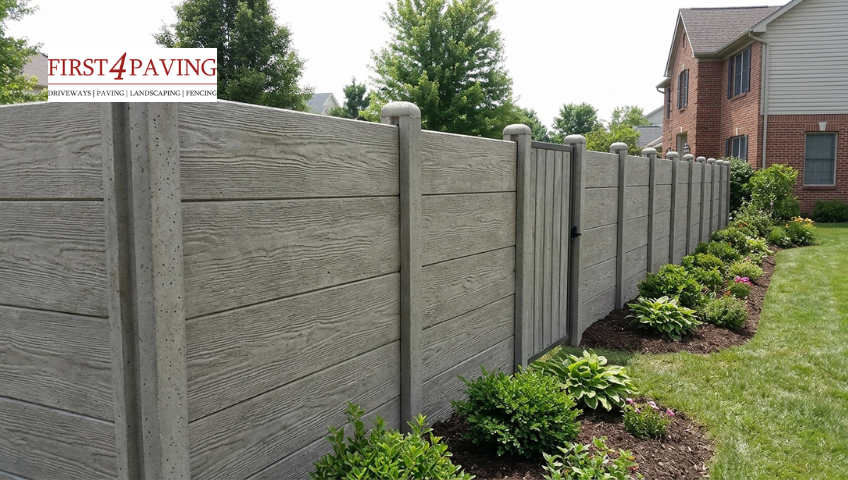
Concrete fencing, often used as posts combined with timber or gravel boards, is one of the most durable options available. It doesn’t rot, warp, or need regular treatment, which makes it a practical choice for boundaries, though the look is more functional than decorative.
Pros
- Extremely durable, doesn’t rot or warp
- Low maintenance over time
- Excellent for securing boundaries long-term
- Resistant to pests and weather damage
Cons
- More industrial, less decorative appearance
- Heavier and harder to install
- Higher installation cost due to weight and equipment needed
- Limited flexibility in design compared to timber
Lifespan
Concrete fencing can last 30 years or more, making it one of the most long-lasting options available. It requires little to no maintenance throughout its lifespan. This makes it a strong long-term investment for boundaries.
Gabion Fencing
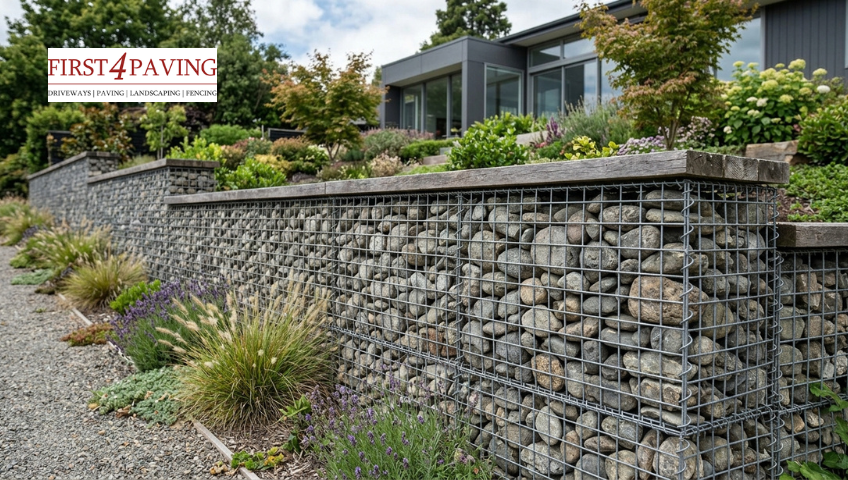
Gabion fencing is made from wire mesh cages filled with stone, gravel, or other materials. It’s a more modern, architectural option that works particularly well on sloped or uneven ground where traditional fencing panels don’t sit well, and it adds a distinct textured look to a garden.
Pros
- Highly durable, works well on slopes or uneven ground
- Adds a unique, modern look
- Naturally resistant to weather and wear
- Requires very little maintenance once built
Cons
- More expensive than most fencing types
- Takes up more space due to cage width
- Installation can be labour-intensive
- Limited privacy unless filled tightly
Lifespan
With proper installation, gabion fencing can last 25 to 30 years or more. The stone filling doesn’t degrade like timber, adding to its longevity. Wire cages may need occasional checks for wear.
Bamboo Fencing
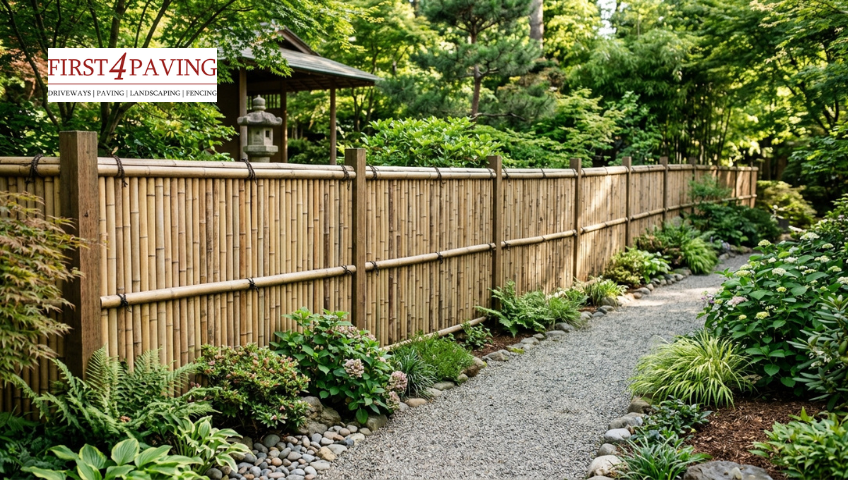
Bamboo fencing brings a natural, relaxed feel to a garden and is often chosen for tropical or minimalist outdoor spaces. It’s an eco-friendly option since bamboo grows quickly and sustainably, though it doesn’t last as long as timber or composite fencing unless it’s properly treated against moisture.
Pros
- Eco-friendly and sustainably sourced
- Gives a natural, relaxed garden aesthetic
- Lightweight and easy to install
- Affordable compared to hardwood fencing
Cons
- Shorter lifespan than most other fencing types
- Can deteriorate faster without weatherproofing
- Less effective for security purposes
- May need frequent replacement in wet climates
Lifespan
Bamboo fencing typically lasts 5 to 10 years, depending on treatment and maintenance. Proper sealing against moisture can help extend its life. Without treatment, it tends to degrade much faster.
Palisade Fencing
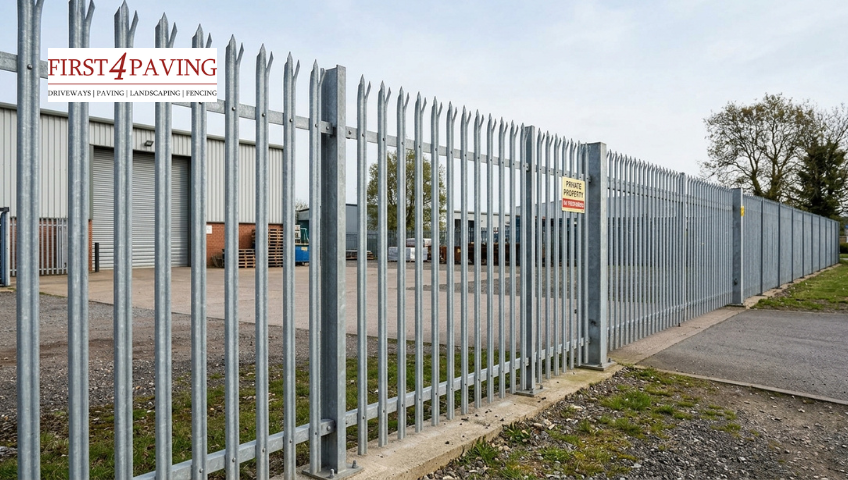
Palisade fencing consists of vertical steel or timber posts with pointed tops, and it’s most commonly seen around commercial properties, schools, or larger boundaries. Its main purpose is security rather than privacy, since the gaps between posts still allow visibility through the fence.
Pros
- Strong security with tough, pointed-post construction
- Minimal maintenance once installed
- Durable against forced entry attempts
- Suitable for large commercial boundaries
Cons
- Limited privacy due to gaps between posts
- Industrial appearance rather than decorative
- Higher installation cost for larger properties
- Less suitable for residential front gardens
Lifespan
Palisade fencing typically lasts 20 to 25 years, especially with treated steel or timber. Regular inspection helps catch rust or damage early. Coastal or humid areas may see slightly reduced lifespan.
Factors to Consider When Choosing Fencing
Picking the right fence isn’t just about style; it’s about matching the material to your garden’s needs. Experienced landscaping contractors in Enfield often recommend weighing up a few key factors before committing to a type of fencing. Here’s what to keep in mind.
- Purpose: Think about why you need the fence. Privacy, security, decoration, and boundary marking all call for different types of fencing.
- Budget: Fencing costs vary widely depending on the materials and installation. Set a budget early so you can narrow down your options.
- Maintenance Requirements: Some fences require regular treatment or repairs, while others, such as composite or concrete, require little to no maintenance.
- Durability and Weather Resistance: If your garden is exposed to strong winds or heavy rain, choose a fence built to handle it.
- Planning Permission and Height Restrictions: In the UK, fences over a certain height may need planning permission, especially near roads or boundaries. Check local rules before installing.
- Style of Your Property: Your fence should complement the look of your home and outdoor space, not clash with it. The same applies to your driveway edging; matching it to your fencing style ties the whole exterior together. If a new patio is part of the plan, choose the fence and the best patio material together so the colours and finishes match.
Why Professional Fencing Installation Matters
Even the best fencing material won’t perform well if it’s installed incorrectly. Poor installation can lead to leaning posts, gaps, and fences that don’t survive their first bad storm, no matter how good the material is. Best landscaping companies in Enfield know that getting the groundwork, spacing, and alignment right from the start makes all the difference to how long a fence actually lasts.
From timber fencing to modern composite designs, choosing the right boundary solution is an important step for homeowners looking to improve privacy, security, and overall garden appeal. When it comes to quality fencing solutions, First4 Paving is offering professional fencing installation services tailored to the style and needs of local properties. A well-chosen fence not only protects your outdoor space but also adds value and kerb appeal to homes across the area.
Ready to upgrade your garden with a fence that’s built to last? Get in touch with us today for a free consultation and quote.
Conclusion
Choosing the right fence comes down to understanding what you actually need it for, whether that’s privacy, security, decoration, or simply marking your boundary. From durable options like concrete and metal to more decorative choices like picket and trellis, each type offers a different balance of cost, maintenance, and lifespan. Taking the time to weigh these factors against your budget and property style will help you avoid a costly mistake down the line.
Getting your fence professionally installed makes just as much difference as choosing the right material, since even the best fencing won’t perform well if it’s put up incorrectly. If you’re ready to upgrade your garden with a fence built to last, get in touch with First4 Paving for expert advice and a free quote.
FAQs
How high can a garden fence be without planning permission?
In most cases, garden fences can be up to 2 metres high without planning permission. If your fence is near a road, this limit usually drops to 1 metre. It’s worth checking local guidelines to be sure.
What is the most durable type of fencing?
Concrete and metal fencing tend to be the most durable, often lasting several decades with minimal maintenance.
How long does fencing usually last?
This depends on the material. Wooden fences typically last 10 to 15 years, while metal, concrete, and composite fencing can last 20 years or more.
Can I mix fencing styles on one property?
Yes. Many homeowners combine styles, such as using closeboard fencing for privacy and trellis on top for extra height or decoration.