
Many Enfield homeowners believe UK weather is too unpredictable to plan outdoor work around. One minute it’s sunny; the next, you’re watching rain roll in and wondering if you should’ve waited another week to book that driveway clean.
Here’s the thing, though. Enfield’s weather isn’t actually random. It follows fairly consistent seasonal patterns, and once you understand them, you can time your landscaping, cleaning, and outdoor projects far more effectively than most people realise.
This guide breaks down exactly how weather affects landscaping, exterior cleaning, and general outdoor work across Enfield, season by season, so that you can plan with confidence instead of guesswork.
What Enfield’s Weather Actually Looks Like Through the Year
Enfield sits in a temperate oceanic climate zone, which means no extreme heat, no brutal winters, but plenty of rain spread fairly evenly across the year.
A few numbers worth knowing:
- Average annual rainfall sits around 720mm, spread across roughly 130 rainy days a year
- Temperatures typically range from about 9°C in January to 23°C in July
- August tends to be the wettest month, while March is usually the driest
- Frost and near-freezing mornings are most common through January and February
None of this means outdoor work grinds to a halt for half the year. It just means timing matters, and knowing what each season brings helps you avoid costly mistakes.
How Weather in Enfield Impacts Landscaping
Landscaping work is more weather-sensitive than most homeowners expect. Soil, plants, turf, and hard surfaces all react differently depending on temperature and moisture, and poor timing can undo weeks of planning.
Wet Weather and Waterlogged Ground
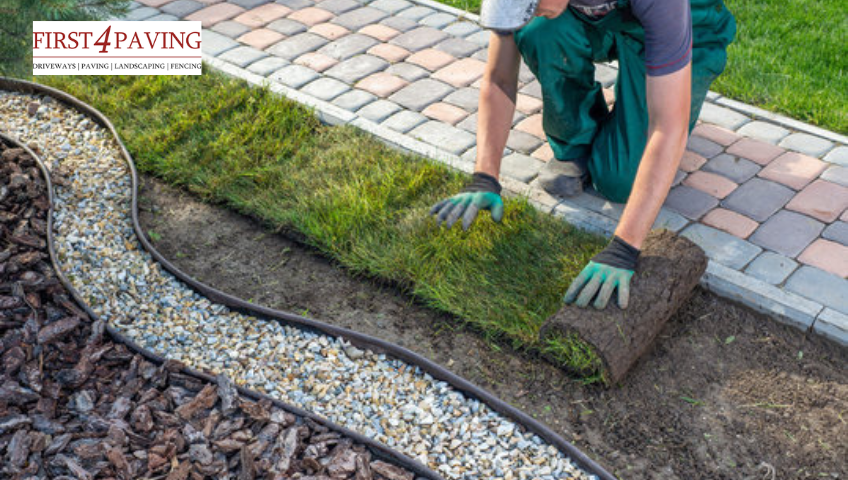
Heavy or prolonged rain saturates soil, making it unstable and difficult to work with. If you’ve ever tried digging a flower bed after a wet week, you’ll know the ground turns to soft mud rather than firm, workable earth.
This matters for a few reasons:
- Waterlogged soil compacts poorly, which weakens the base for patios, paths, or new turf
- Trenches for drainage or edging can flood, adding delays
- Heavy machinery and foot traffic on soaked ground cause rutting and long-term damage to lawns
Light rain rarely causes major issues, but sustained wet spells, particularly through autumn, often push landscaping timelines back.
Frost and Freezing Conditions
Enfield winters aren’t severe, but frost still causes real problems for landscaping projects. Frozen ground is extremely hard to dig, and any concrete or mortar work laid in freezing temperatures risks weakening as it cures.
Frost heave is another concern. When water in the soil freezes and expands, it can lift or crack recently laid surfaces, undoing work that looked perfectly solid the day before.
Turfing is also best avoided during hard frosts, since newly laid grass struggles to root properly in frozen soil.
Heat and Dry Spells
Enfield summers rarely reach extreme temperatures, but dry spells still create their own set of challenges. Compacted, dry soil doesn’t hold new plants or turf well, and freshly laid grass can dry out and die within days if it isn’t watered consistently.
Hard landscaping is generally easier in dry weather, but there’s a balance. Very hot, sunny conditions can cause materials like concrete to cure too fast, increasing the risk of surface cracking.
Best Time to Landscape a Garden in Enfield
The best time to landscape a garden in Enfield depends more on soil condition than anything else. Late spring through early summer usually offers the most workable ground: winter and early spring rain has drained away, but the peak dry spells of high summer haven’t set in yet to bake the soil hard. That balance matters most for turfing and planting, since roots need soil that’s neither waterlogged nor compacted dry.
Fencing and some hard landscaping jobs are less fussy about this window and can often go ahead across most of the year, weather on the day permitting. If you’re planning a full garden landscaping project, factoring season and ground conditions into the schedule from the outset can make the difference between work that lasts and work that needs redoing within a year.
How Weather in Enfield Impacts Cleaning
Why Rain Doesn’t Actually Clean Your Driveway
Many homeowners assume rain does half the cleaning job. It doesn’t. Rainwater picks up dust, pollen, and airborne grime as it falls, then deposits it across your driveway or patio as it dries, often leaving faint streaking and residue behind rather than removing it.
Worse, rain creates the damp conditions that moss, algae, and lichen need to establish themselves in the first place. So while it might look like your driveway gets a rinse, it’s often quietly getting dirtier and more slippery underneath.
Moss, Algae and Damp Season Buildup
Shaded, north-facing, or poorly draining areas of a driveway or patio are particularly prone to organic growth during Enfield’s wetter months. Once moss or algae takes hold in block paving joints or on porous stone, it spreads quickly if left untreated.
This buildup isn’t just cosmetic. It makes surfaces genuinely slippery, which becomes a real safety concern on steps, paths, and driveways during autumn and winter.
Best Weather for Pressure Washing
The best weather for pressure washing depends on how quickly the surface can dry afterwards, not just whether it’s sunny. Dry, mild days with a light breeze let cleaning solutions sit and work properly before rinsing, rather than being washed away too soon or drying out before they’ve done their job.
A few practical points:
- Avoid pressure washing during or right before heavy rain, since the ground won’t dry properly
- Skip freezing days, as water can turn to ice on the surface and create a hazard
- Very hot, direct sun isn’t ideal either, since cleaning solutions can dry out too quickly to work effectively
If your driveway or patio has picked up moss, algae, or stubborn staining, professional pressure washing timed to the right weather window delivers noticeably better, longer-lasting results than a rushed DIY job in the rain. Our Driveways & Patios Cleaning service explains the methods we use for each surface type. For a season-by-season timing guide, see the summary table below.
How Weather in Enfield Impacts Outdoor Work
Not every outdoor job reacts to weather in the same way. Some tasks can push through light rain without issue, while others need dry, stable conditions from start to finish.

Job by Job Weather Sensitivity
Driveways and paving: Laying block paving, tarmac, or resin needs reasonably dry, mild conditions. Rain can interfere with subbase compaction, and finishing touches like kiln-dried sand or resin bonding need dry weather to set properly. Gravel and shingle driveways are a little more forgiving, since there’s no bonding process to disrupt, though ground preparation still goes more smoothly in a dry spell.
Patios: Natural stone and porcelain paving require dry conditions so bonding agents and primers can cure correctly. Grouting and jointing are particularly weather-sensitive, since heavy rain can wash the compound away before it sets, which is why patio installation timing matters as much as the materials themselves.
Fencing: This is one of the more flexible outdoor jobs. Fence posts can usually go in during light rain, as long as the ground isn’t waterlogged or frozen solid.
Best Months for Outdoor Projects in Enfield
Picking a dry month is only half the equation; availability matters just as much, and late spring and summer book up fastest as contractors’ busiest season. Autumn and even winter can work well for more flexible jobs like fencing, often with better availability and less waiting around.
A Season-by-Season Summary for Enfield Homes
Here’s a compact, at-a-glance version of the timing points above, useful to keep handy when you’re planning work across the year:
| Season | Months | Key Tasks |
| Spring | Mar–May | The ground has dried out enough for turfing and planting. Good time for a full driveway and patio clean after winter grime. |
| Summer | Jun–Aug | Peak window for driveway installs, patio laying, and pressure washing. Book early, as this is the busiest season for contractors. |
| Autumn | Sep–Nov | Good for fencing work, treating early moss growth, and clearing gutters before winter sets in. |
| Winter | Dec–Feb | Outdoor work is still possible on dry, mild days. Best used for planning, design, and getting quotes sorted ahead of spring. |
How FIRST 4 PAVING LTD Plans Around Enfield Weather
Since 1998, FIRST 4 PAVING LTD has worked through pretty much every kind of weather Enfield throws at us, from soggy spring mornings to dry summer heatwaves. That experience means we know when to push a project forward and when it genuinely pays to wait for better conditions.
Whether you need a new driveway, a full landscaping project, or a thorough clean to bring tired paving back to life, our team plans around the weather rather than working against it. That’s how we protect the quality of every job, backed by our no-deposit approach on jobs like patio installations. If you’re planning any outdoor project this year, get in touch, and we’ll help you find the right timing.
Frequently Asked Questions
Does bad weather affect the cost of a job?
Not usually the quoted price itself, but weather can affect the schedule. If ground conditions mean extra prep work, such as dealing with waterlogged soil before turfing, that’s the kind of thing a contractor should flag at the quote stage rather than after work starts.
What happens if rain hits partway through an installation?
It depends on the stage. Early groundwork can often continue in light rain, but anything involving bonding, jointing, or freshly poured concrete usually needs to pause until conditions dry out, then resume once it’s safe.
My driveway keeps getting mossy even in shaded spots; what actually helps?
Beyond a one-off clean, the most effective fix is a biocide treatment applied after pressure washing, which slows regrowth in shaded or damp-prone areas far longer than washing alone. Improving drainage nearby also helps reduce how quickly it returns.
What happens if it rains on the day my job is booked?
Most contractors will reschedule rather than push ahead in unsuitable conditions, since rushing weather-sensitive work rarely holds up long term. Ask how a company handles rescheduling before booking, especially for jobs booked well in advance.