

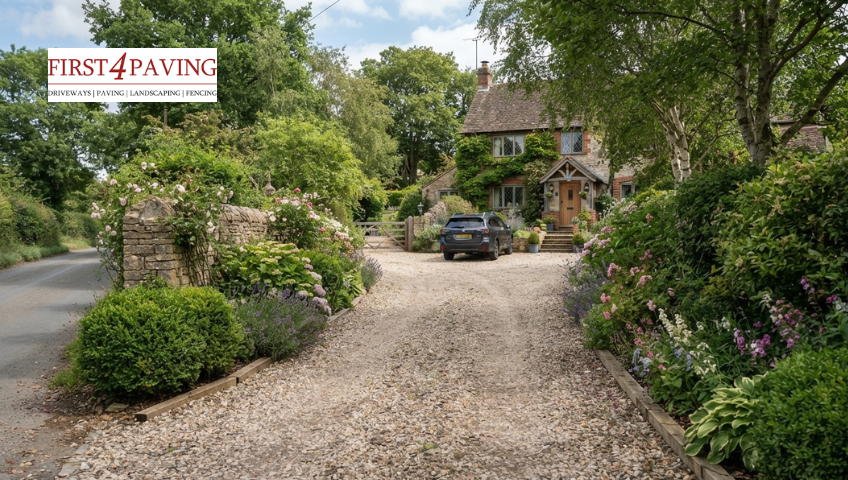
Gravel driveways have become a popular choice for homeowners in Enfield looking for an affordable and attractive alternative to block paving or tarmac. They are quick to install, low maintenance, and available in a range of styles, from natural pea shingle to decorative self-binding gravel, making them suitable for a wide variety of property types across the borough. The overall cost of a gravel driveway, however, depends on several factors, including the area size, the type of gravel chosen, and the groundwork required to prepare the site.
This article breaks down how much a gravel driveway costs in Enfield, along with the key factors that affect your final quote, so you can budget accurately before requesting a quote from a local paving specialist.
Average Gravel Driveway cost in Enfield
On average, a gravel driveway in Enfield costs between £50 and £70 per m² when professionally installed, depending on the type of gravel and the condition of the existing surface. For a standard three-car driveway of around 40m², homeowners can expect to pay between £2,000 and £2,800, including materials, labour, and basic groundwork. Larger driveways or those needing extensive excavation and drainage work may cost more. Properties in Greater London, including Enfield, tend to sit at the higher end of the UK price range compared to northern regions, mainly due to labour and delivery costs.
Cost Breakdown
Driveway Size | Estimated Cost Range | Average Completion Time |
Small (up to 20m²) | £1,000 to £1,600 | 1 day |
Medium (20m² to 40m²) | £1,600 to £2,800 | 1 to 2 days |
Large (40m² and above) | £2,800 to £4,600+ | 2 to 3 days |
Cost of Different Gravel Types
Different gravel types have varying price points and are typically sold by the tonne. The type you choose affects not only the cost, but also the finish, durability, and maintenance needs of your driveway.
Crushed Rock
A close-up of grey angular crushed rock aggregate, commonly used as a sub-base layer for driveways.
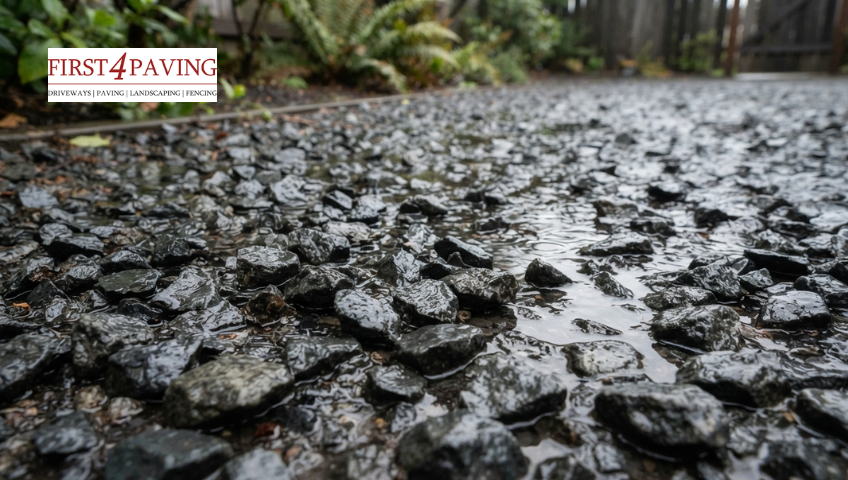
Crushed rock is one of the most affordable gravel options, typically costing £50–£55 per tonne. Its angular shape allows it to compact tightly, making it well-suited for sub-base or structural layers where a smooth, decorative finish is less important.
River Rock
Smooth, rounded river rock gravel in mixed grey and beige tones, often used for driveway surfaces and borders.
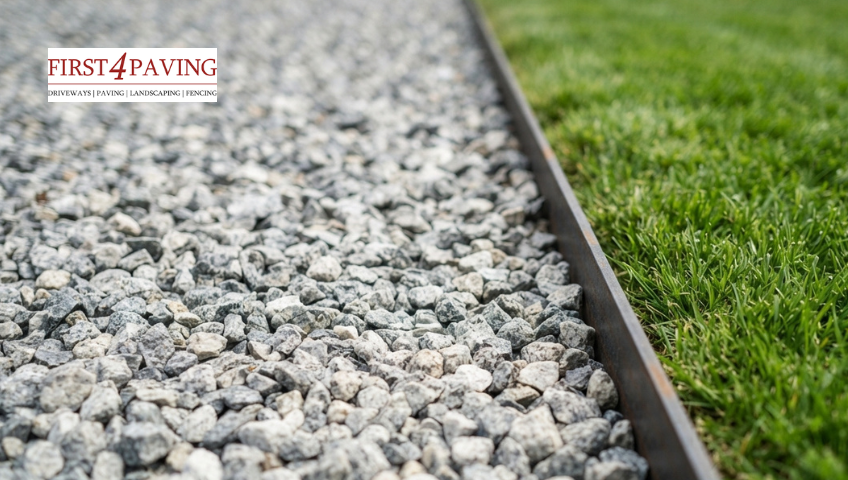
River rock costs around £55–£60 per tonne. Its naturally smooth, rounded texture gives a softer appearance than crushed rock, though it compacts less densely, making it more suitable for surface layers or decorative borders rather than heavy structural use.
Self-Binding Gravel
A fine, sandy texture makes self-binding gravel ideal for creating a firm, level driveway surface once laid and compacted.
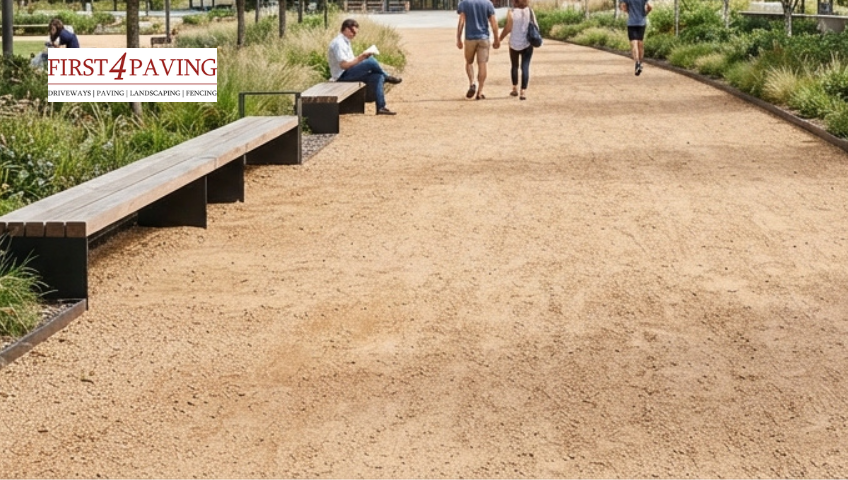
Sometimes it is called hoggin; it costs approximately £90–£95 per tonne. It is made up of stone particles, sand, and clay, which bind together tightly when compacted to form a solid, stable surface. This makes it a popular choice for driveways that need a firmer finish underfoot and for vehicles.
Pea Gravel
Small, rounded pea gravel in natural stone tones, forming a dense, decorative top layer on a residential driveway.
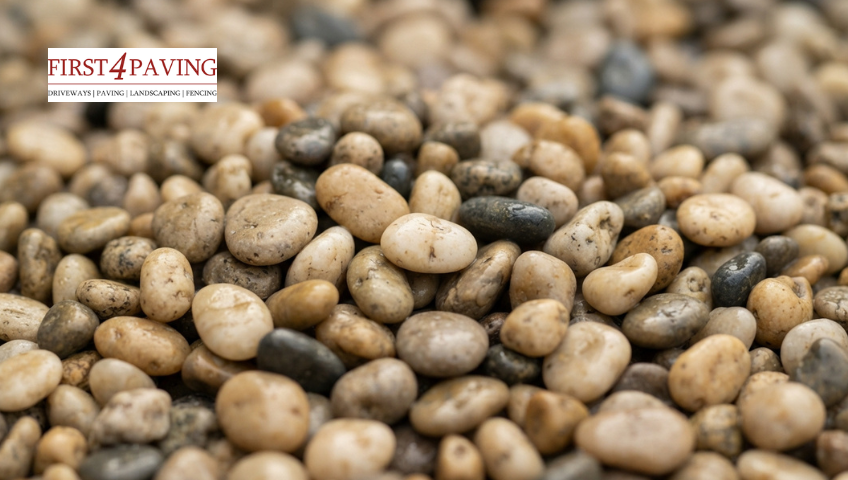
Pea gravel typically costs £100 to £110 per tonne. Its small, rounded stones pack densely together, creating a smooth, stable surface that works well as a decorative top layer, particularly when paired with a cellular grid system to prevent migration.
Marble Chips
Polished white and grey marble chips laid as a premium decorative driveway surface.
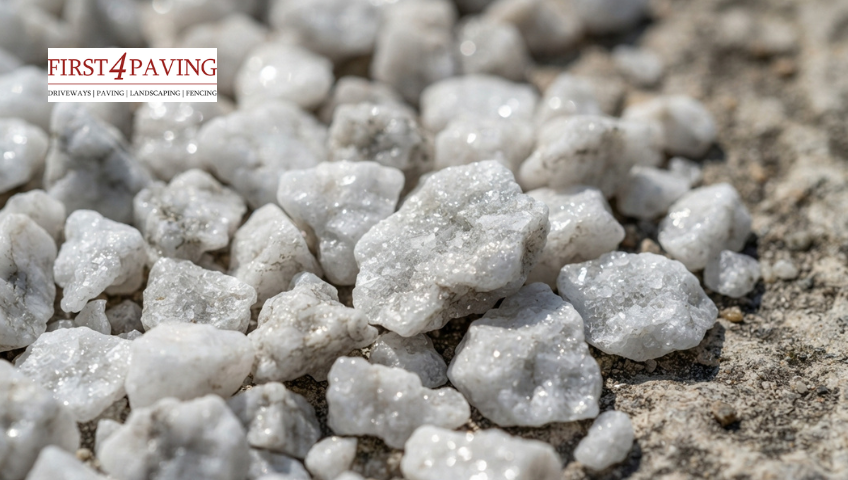
Marble chips sit at the higher end of the price range, costing around £150–£160 per tonne. Sourced from specific quarries, they are chosen primarily for their appearance rather than durability, giving driveways a bright, premium finish.
Key Factors That Affect the Gravel Driveway Cost
Crushed rock and river rock are commonly used for sub-base or structural layers, where appearance matters less. Pea gravel and self-binding gravel are popular top-layer choices, as they compact more densely and create a firmer, more stable surface. Marble chips and other decorative aggregates sit at the higher end, chosen mainly for their appearance rather than durability. Driveway experts in Enfield can help you choose the right combination of gravel types to balance cost, appearance, and long-term durability for your specific driveway.
Driveway Size
The larger the driveway, the more materials and labour are required, which directly increases the overall cost. Most paving contractors quote on a per m² basis, so an accurate measurement of the area is the first step to getting a realistic price.
Cellular Grid System
Many installers recommend using a cellular grid, a plastic honeycomb layer placed beneath the decorative gravel. This system holds the gravel in place, providing a more level, stable finish and preventing it from migrating or forming bald patches over time. A quality grid system typically adds around £15-£20 per m² to the overall cost, but it significantly extends the driveway’s lifespan and appearance, making it a worthwhile investment for most homeowners.
Excavation Depth and Waste Disposal
A driveway gravel installed with a cellular grid system typically requires excavation of around 230mm below the finished surface level, comprising a free-draining sub-base, a sand-laying course, the grid layer itself, and the decorative gravel on top. Without a grid system, the excavation depth is reduced to around 190mm, which can lower waste disposal costs, though it comes at the expense of long-term stability. Waste disposal is often one of the higher hidden costs in a driveway project, as the volume of material removed directly affects the final price.
Drainage Requirements
Proper drainage is essential to prevent gravel from shifting or to prevent water from pooling after rainfall. Adding a permeable sub-base or drainage channels increases the cost but helps the driveway last longer and perform better in wet conditions.
Edging and Border Materials
Edging keeps gravel contained and prevents it from spreading onto lawns or pathways. Options range from simple timber or plastic edging to more premium materials like brick, granite setts, or stone borders, each affecting the final price differently.
Site Access
Good access for delivery vehicles makes installation more cost-effective, as materials can be tipped directly and waste removed efficiently. Where access is restricted, such as in narrow side passages or sloped driveways, contractors may need smaller equipment or additional labour to move materials manually, which can increase the overall cost.
Existing Driveway Removal
If an old driveway is already in place, whether concrete, tarmac, or block paving, it will need to be broken up and removed before the new gravel surface can be laid. This removal and disposal process is typically costed separately from the main installation and can be one of the more significant hidden expenses in a driveway project.
Weed Membrane and Ground Preparation
A weed-suppressant membrane is usually laid beneath the sub-base to stop weeds growing up through the gravel over time. While this adds a small amount to the overall cost, it significantly reduces future maintenance and helps keep the driveway looking neat for longer.
Vehicle Use and Sub-Base Strength
Driveways that will regularly support car weight need a more heavily compacted and thicker sub-base to prevent the gravel from shifting or rutting under load. This added structural requirement increases both material and labour costs compared to a purely decorative, foot-traffic-only area.
Labour Rates and Seasonal Demand
Local labour rates in Enfield, along with contractor availability, can influence the final quote. Costs tend to be higher during peak periods, such as spring and summer, when demand for driveway installations rises.
Planning Permission and Drainage Regulations
In certain cases, particularly for front gardens near a public road, local drainage regulations may require permeable surfacing or, in some instances, planning permission. Checking these requirements early on can help avoid delays and unexpected costs later in the project.
DIY vs Professional Installation Cost
| Aspect | DIY Installation | Professional Installation |
| Upfront Cost | Materials only, typically £800-£1,600 for a medium driveway | Materials plus labour, typically £1,600-£2,800 |
| Time Required | 2-3 days, depending on experience | 1-2 days, completed by a trained team |
| Risk of Errors | Higher, particularly with sub-base depth and compaction | Lower, with correct groundwork and drainage from the start |
| Long-Term Cost | May require early repairs if sub-base or drainage is done incorrectly | Reduced risk of sinking, shifting, or drainage issues later |
Installing a gravel driveway yourself can reduce upfront costs, since labour charges are avoided. However, getting the sub-base depth, compaction, and drainage right is critical, as mistakes here often lead to sinking or shifting gravel within the first year. Professional installation costs more upfront but reduces the risk of costly repairs later, particularly for driveways with poor ground conditions or drainage issues.
Tips to Save Money on Your Gravel Driveway
- Choose a cost-effective gravel type: Choose a cost-effective gravel type: Crushed rock or river rock cost less than decorative options like marble chips or premium coloured aggregates, while still performing well as a base or top layer. If you’re comparing all driveway materials, read the guide on the cheapest driveway option to see how gravel stacks up.
- Get multiple quotes: Prices can vary among contractors in the same area, so comparing at least 2 or 3 quotes helps ensure a fair price.
- Plan around existing ground conditions: If the current surface is level and in reasonable condition, less excavation and waste removal is needed, which can reduce labour costs.
- Consider a smaller decorative top layer: Using a cheaper aggregate for the sub-base and a thinner layer of premium gravel on top can reduce material costs without compromising the finished look.
- Book installation outside peak season: Driveway installers are often busier in spring and summer, so scheduling work in autumn or winter may result in more competitive pricing.
- Maintain your driveway regularly: Occasional raking and topping up small areas prevents the need for a full re-gravel, which is a more costly job.
Working with a trusted paving company in Enfield also helps keep costs down in the long run. An experienced paving contractor, First4 Paving understands the groundwork, drainage, and material choices needed for a driveway to perform well over time, helping you avoid the kind of mistakes that lead to costly repairs later. We provide professional Gravel services across Enfield and the surrounding areas.
Contact us for a free, no-obligation quote and let our team help you find the right gravel driveway solution for your Enfield home.
Conclusion
A gravel driveway remains one of the most cost-effective and versatile options for homeowners in Enfield, with prices typically ranging from £1,000 for smaller driveways to over £4,600 for larger, more complex installations. Beyond the initial cost, gravel driveways also offer great long-term value thanks to low maintenance needs, natural drainage, and the ease of repairing or topping up sections without a full replacement.
Final costs depend on factors such as driveway size, gravel type, required groundwork, and drainage needs, so properties with sloped access or larger surface areas tend to fall at the higher end. Getting an accurate quote comes down to assessing these factors for your specific property, so it’s worth arranging a site visit for a tailored price.
FAQs
What is the cheapest type of gravel for a driveway?
Crushed rock and river rock are among the cheapest options, typically used for sub-base or structural layers rather than the visible top surface.
Does the size of the driveway affect the price per m²?
Yes, smaller driveways often cost more per m² than larger ones, as fixed costs like site setup and equipment hire are spread across a smaller area.
Are there hidden costs in a gravel driveway installation?
Waste disposal, sub-base materials, and site access requirements can all add to the final cost if not accounted for in an initial quote.
How long does a gravel driveway last?
With proper installation and occasional maintenance, a gravel driveway can last between 15 and 20 years.
Can I lay a gravel driveway myself?
While it is possible to install a gravel driveway as a DIY project, professional installation ensures proper groundwork and drainage, which affects the driveway’s long-term performance and reduces the risk of additional repair costs later.