
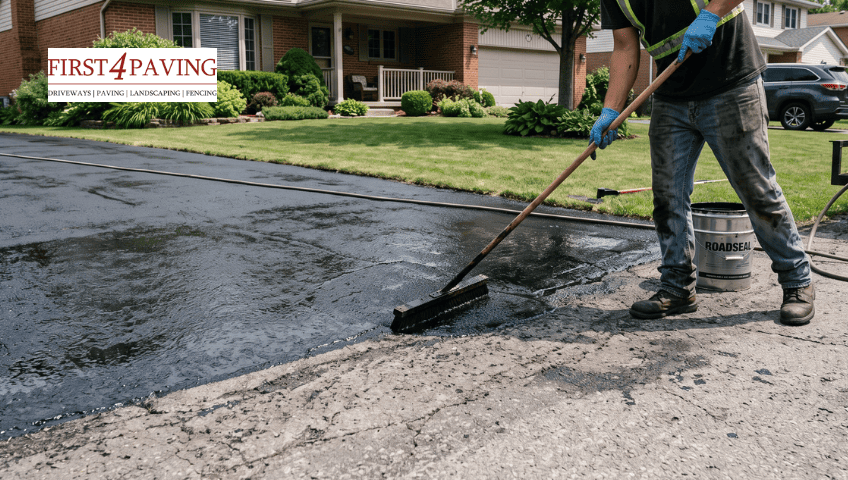
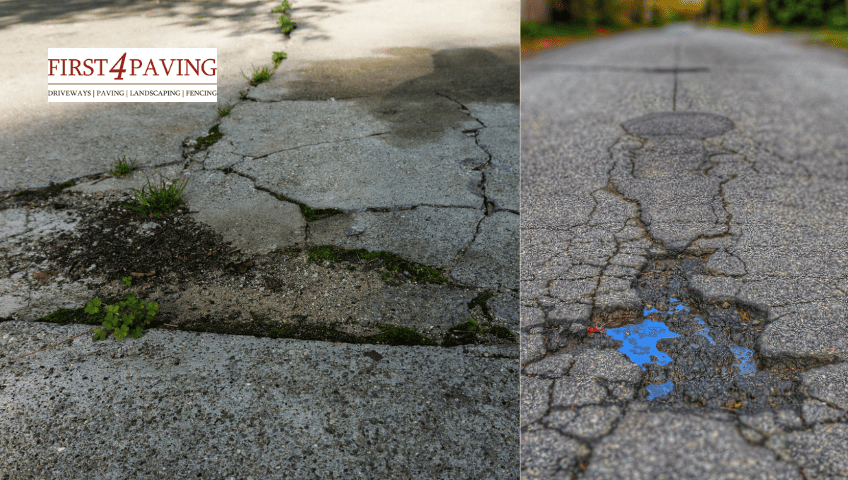
Most driveways in Enfield are silently deteriorating and the owners have no idea. A few hairline cracks here, some fading colour there, weeds pushing through the joints. It looks like normal wear and tear. But underneath, water is working its way in, freezing in winter and slowly breaking the surface apart from within.
The fix is simpler than you think. A quality driveway sealer, applied correctly, creates a protective barrier that stops water, blocks stains, prevents weeds, and keeps your driveway looking its best for years. If you’re wondering how to seal a driveway in Enfield, this step-by-step guide explains everything you need to know to achieve a long-lasting finish.
Why Sealing a Driveway Matters
The benefits of sealing a driveway go well beyond appearance. A quality driveway sealer creates a protective barrier that helps protect your driveway from the weather, vehicle traffic, and everyday wear.
- Water penetration: Water seeping into cracks can freeze and expand in winter, worsening existing damage over time.
- Oil and fuel stains: Unsealed surfaces absorb spills quickly, often leaving permanent marks. A sealed driveway makes stains much easier to clean, but if you’re already dealing with a stubborn mark, here’s how to remove an oil stain from a driveway.
- Weed growth: Sealer helps lock in jointing sand, reducing gaps where weeds can take root, particularly on block-paving driveways.
- UV fading: Prolonged exposure to sunlight can cause tarmac, concrete, and resin surfaces to fade. Sealing helps preserve their appearance for longer.
- General surface wear: Daily vehicle and foot traffic gradually wear down driveway surfaces. A protective sealant adds an extra layer of durability.
For homeowners in Enfield, regular driveway sealing is one of the most cost-effective ways to extend a driveway’s lifespan and reduce the likelihood of costly repairs.
Signs Your Driveway Needs Sealing
Not sure if it is time to seal your driveway? Here are some of the most common warning signs:
- The surface has lost its original colour and appears faded or dull
- Water absorbs into the surface rather than beading on top
- Weeds are growing through block paving joints
- Small cracks are beginning to appear
- Oil, dirt, and tyre marks are becoming difficult to remove
- Jointing sand is washing out between paving blocks
Spotting these signs early can prevent expensive repairs later on. If you’re seeing more than one or two of these on your driveway, it’s worth speaking to a professional before the damage gets worse. A quick inspection from an experienced driveway contractor in Enfield can save you a lot of money down the line.
How to Seal a Driveway in Enfield Step by Step
Whether you are tackling this as a DIY project or preparing for a professional visit, understanding how to seal a driveway step by step helps you get the best possible result.
What You Will Need
- Pressure washer or stiff brush and hosepipe
- Weed killer (if required)
- Crack filler suitable for your surface type
- Kiln-dried sand (for block paving joints)
- Appropriate driveway sealer for your surface
- Long-handled squeegee, brush, or roller
- Protective gloves and old clothing
Step 1 — Choose the Right Conditions
Sealing driveway surfaces is weather-dependent. You need at least two dry days and a temperature above 10°C. Avoid sealing in direct summer sun as the product can dry too quickly. Late summer or early autumn is ideal for UK homes.
Step 2 — Clear and Clean the Surface
Remove all vehicles and debris. Sweep the driveway, then pressure wash the entire surface. If your driveway has stubborn dirt or grime buildup, read this guide on cleaning a tarmac driveway before you begin sealing. Use a specialist driveway degreaser on oil stains and allow it to work before rinsing. Treat any weeds with weed killer and sweep out dead growth from the joints. Allow the surface to dry fully, typically 24 to 48 hours.
Step 3 — Repair Cracks and Damage
Fill any cracks using a suitable filler for your surface type. Never seal over existing damage it hides the problem but does not fix it. For block paving, re-brush kiln-dried sand into the joints at this stage.
Step 4 — Apply the Driveway Sealer
To seal a driveway like a professional, preparation is everything, but application technique matters just as much. Shake or stir the sealer well before opening. Work from the furthest point back towards the street to avoid walking on wet sealer. Apply thin, even coats rather than one thick application. Thick coats take longer to cure, are more likely to streak, and can leave a tacky finish.
Step 5 — Second Coat and Curing
Many sealers benefit from a second coat once the first has dried; check the manufacturer’s instructions. Foot traffic can usually resume after a few hours. Keep vehicles off for at least 24 to 48 hours.
Can You Seal a Driveway Yourself?
If you’re planning how to seal a driveway in Enfield yourself, it is possible, but it is not as simple as it looks. Sealing a driveway yourself is achievable, though the results depend almost entirely on preparation. Many homeowners underestimate this part. Skipping a proper clean, missing cracks, or applying sealer in the wrong conditions can leave a finish that peels or wears away within months.
DIY sealants are also less concentrated than trade-grade products, and a domestic pressure washer rarely matches the performance of professional equipment. For a small driveway in good condition, results can be acceptable. For anything larger or more damaged, the gap between DIY and a professional finish becomes difficult to close.
Professional help is worth considering when there is significant cracking, weed damage, or when a long-lasting result is the priority.
How Long Does Driveway Sealer Last?
| Surface Type | Typical Sealer Lifespan |
| Tarmac / Asphalt | 2–4 years |
| Block Paving | 3–5 years |
| Concrete | 2–5 years |
| Resin Bound | 5–10 years |
For most residential driveways in Enfield, resealing every 2 to 3 years is the right routine. Block paving may need more frequent attention as jointing sand washes out over time.
Common Driveway Sealing Mistakes to Avoid
Even with good intentions, these common driveway sealing mistakes reduce the effectiveness of the sealant:
- Sealing over a dirty surface: Dirt and oil trapped under sealer prevent proper adhesion and cause peeling.
- Applying in cold or wet conditions: Below 10°C or in damp weather leads to poor bonding and an uneven finish.
- Coats that are too thick: Thick coats streak, stay tacky, and wear unevenly.
- Ignoring cracks before sealing: Always repair first, never seal over damage.
- Using the wrong product: Always match the sealer to your specific surface type.
Driveway Maintenance Tips for Enfield Homeowners
After sealing, regular care preserves the finish and extends the time before your next reseal is needed. These driveway maintenance tips are especially relevant for UK homes, where wet winters and temperature changes put outdoor surfaces under constant pressure.
- Sweep leaves and debris regularly
- Clean oil spills as soon as they happen
- Avoid harsh chemicals such as bleach or solvents
- Use sand or driveway-safe grit in winter instead of salt-based deicers
- Reapply sealer when you notice protection starting to fade
Knowing how to maintain a sealed driveway is the simplest way to avoid unnecessary repairs and keep your driveway looking its best year-round.
At First 4 Paving, we have years of experience caring for driveways across Enfield and the surrounding areas. Whether you have block paving, tarmac, resin, or concrete, our team provides expert cleaning, repairs, and sealing to keep your driveway protected and looking great. Contact our team today for a free driveway assessment and no-obligation quote.
Conclusion
Knowing how to seal a driveway in Enfield is one of the most effective ways to protect it from the UK’s wet winters, frost, and everyday wear. Clean the surface properly, use the right sealer for your surface type, and stick to a regular maintenance routine and your driveway will stay in great condition for years to come.
If you are based in Enfield and need a professional finish, the team at First 4 Paving specialises in driveways Enfield homeowners trust. Get in touch, and we will be happy to help.
FAQ
How long does driveway sealer last?
Between 2 and 5 years depending on the surface type, product quality, and traffic levels.
Does sealing prevent weeds?
It significantly reduces weed growth by locking in jointing sand, though annual maintenance is still recommended.
Does driveway sealer protect against rain?
Yes. A quality driveway sealer creates a protective barrier that helps prevent water from soaking into the surface, reducing the risk of cracks, erosion, and frost damage.
How often should you seal a driveway?
Most driveways should be resealed every 2 to 5 years, depending on the type of surface, weather conditions, and the amount of traffic they receive.