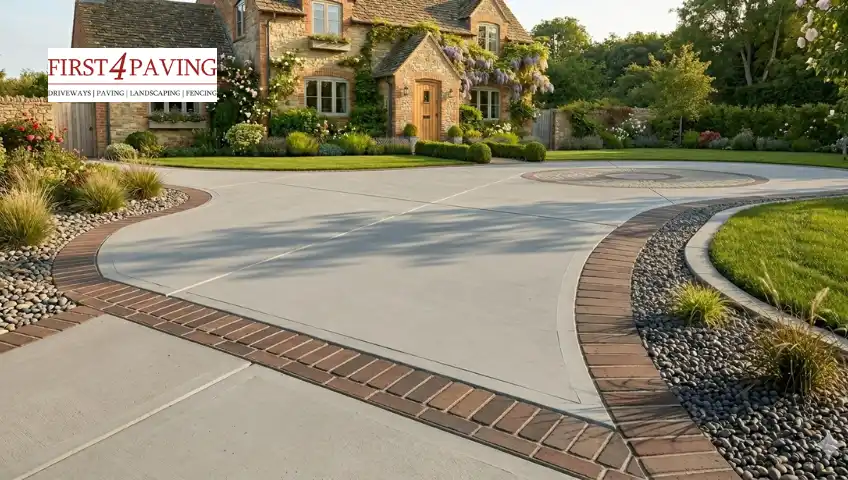

A smooth concrete driveway features a curved brick border that separates it from dark grey river stones and a neat green lawn in front of a traditional stone house

10 Driveway Edging Ideas to Improve Kerb Appeal

Most homeowners spend thousands on a new driveway surface, but overlook the one detail that keeps everything looking neat. Without proper edging, even a high-quality block paving or tarmac driveway can start to lose its appearance within a short time. Gravel spreads onto the lawn, paving blocks move out of line, and grass slowly creeps in around the edges.

The right driveway edging can make a noticeable difference without the expense of a full redesign. A well-chosen border helps keep the surface tidy, reduces movement around the edges, and improves the overall appearance of your entrance.

In this guide, you’ll discover practical and stylish driveway edging ideas for both modern and traditional UK homes, along with advice on which materials work best, what to avoid, and how to choose the right option for your property.

Why Driveway Edging Matters

A driveway without proper edging can quickly start to look messy. Gravel spreads across the lawn, paving blocks shift out of place, and grass begins creeping into the sides. Over time, these small issues can make the whole front garden look untidy.

Adding strong driveway borders helps keep everything neat and easier to manage. It also gives the driveway a cleaner and more finished appearance.

Good edging offers several benefits, including:

  • Better kerb appeal
  • Cleaner and sharper driveway edges
  • Improved drainage during wet weather
  • Reduced weed growth around the borders
  • Extra support for paving, gravel, and tarmac surfaces

The right edging choice depends on your driveway material, budget, and the overall style of your property. Some homeowners prefer modern concrete driveway edging, while others choose natural stone or classic brick borders for a more traditional look.

If you are unsure where to start, a trusted driveway contractor can help you find the right fit for your property.

1. Brick Driveway Edging for a Classic Look

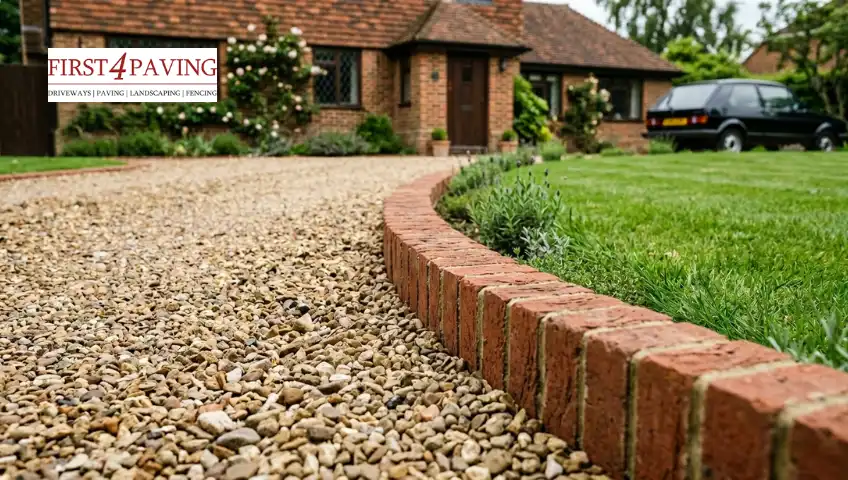
Brick edging along a gravel driveway in a UK home creating a clean border.

Brick edging is one of the most popular choices in the UK, and for good reason. It is durable, widely available, and suits almost every type of property from Victorian terraces to modern semis.

Laid in a simple soldier course (bricks stood upright end-to-end), brick edging creates a clean, defined line along the driveway. It pairs especially well with gravel, since the firm border stops stones from spreading onto paths and lawns.

Why homeowners choose brick borders:

  • Strong and weather-resistant handles freeze-thaw cycles well
  • Easy to match with existing paving or brickwork on the home
  • Creates a clear, defined edge without looking harsh
  • Suits curved as well as straight driveways

Common styles: Soldier course, herringbone pattern, double brick line, curved edging

2. Stone Driveway Edging for a Natural Appearance

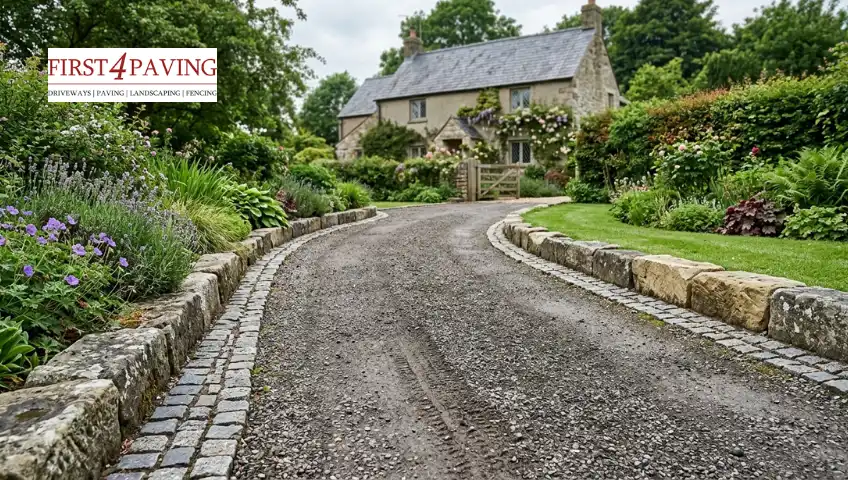
A gravel driveway lined with cobblestone borders curves toward a charming stone cottage with lush gardens.

Stone driveway edging is a great choice if you want a soft, natural look that blends into your garden. It suits rural homes, cottages, and properties with lots of greenery, giving the driveway a more organic finish.

Natural stone also adds strength and structure, helping to keep the driveway edges firm and tidy, even with regular vehicle use.

Best Types of Driveway Edging Stones

Common options for driveway edging stones include:

  • Granite setts: premium appearance, extremely durable, and ideal for traditional driveways
  • Sandstone blocks: warm natural colour with a timeless and elegant finish
  • Limestone kerbs: smooth texture, modern look, and easy to maintain
  • Cobblestones: classic character, strong durability, and perfect for rustic designs 

These materials are strong, weather-resistant, and designed to handle heavy traffic without losing their shape.

Stone edging also works beautifully with driveway border landscaping, especially when combined with flower beds, shrubs, or grass borders. It creates a balanced look between hard surfaces and natural outdoor space.

3. Concrete Driveway Edging for Modern Homes

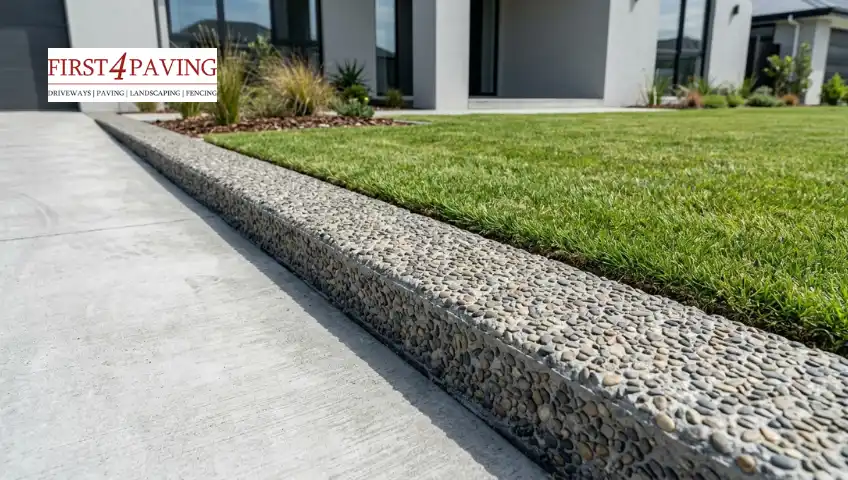
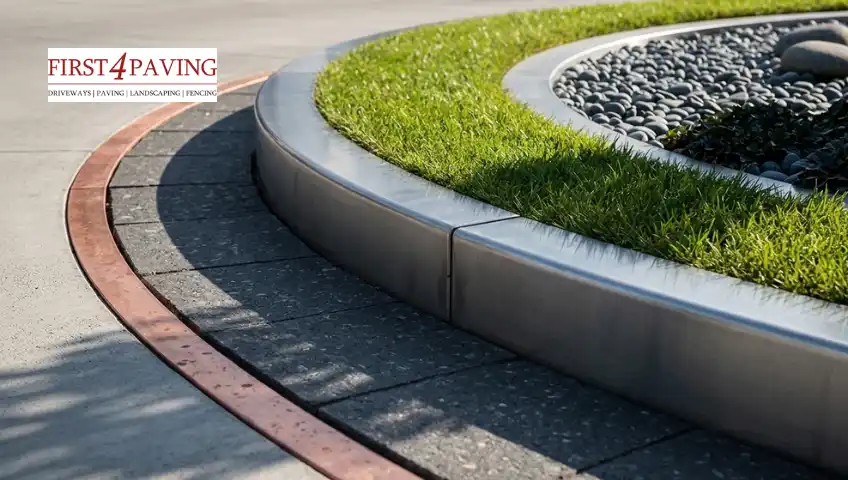
An exposed aggregate concrete edge separates a smooth concrete driveway from a neat green lawn in front of a modern house

Concrete edging suits modern homes well because it creates sharp, clean lines with very little visual fuss. It is a practical choice for large driveways and minimalist garden designs where a simple, tidy finish is the goal.

Standard concrete edging is grey and smooth, but there are also textured and stamped options that replicate the look of stone or brick at a lower price point. This makes it a useful middle-ground option for homeowners who want a premium appearance without the cost of natural materials.

Benefits:

  • One of the most affordable edging options available
  • Very low maintenance with no sealing or treatment needed
  • Long-lasting when properly installed
  • Can be tinted or textured to match surrounding surfaces

Decorative note: Exposed aggregate concrete edging adds texture and visual interest while remaining affordable. It works well alongside brushed or stamped concrete driveways.

4. Gravel Driveway Edging for Better Containment

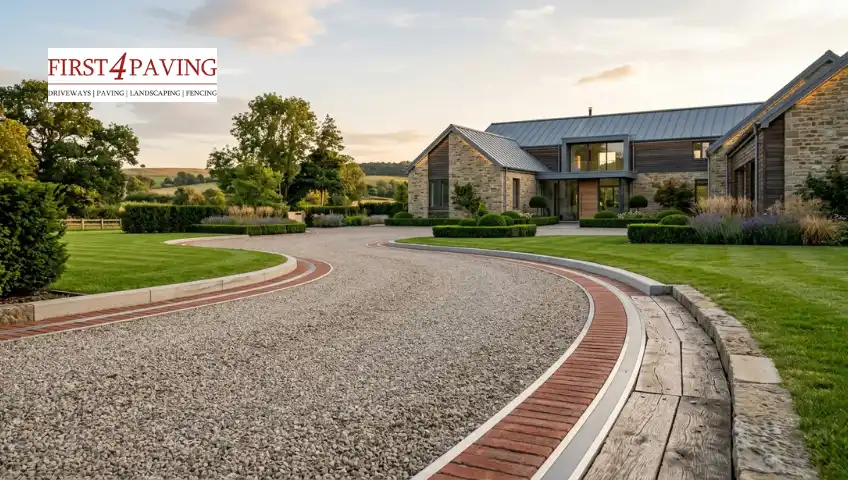
A winding gravel driveway featuring a red brick border leads toward a large, modern stone estate at sunset

Gravel driveway edging is important because loose gravel can easily spread onto lawns, paths, and roads. Good edging keeps everything in place and helps the gravel driveway stay clean and organised.

The most effective edging for gravel driveways uses rigid, stable materials that sit flush with or slightly above the surface level:

  • Brick: durable, attractive, and widely available
  • Steel or aluminium strips: slim profile, very effective at containment
  • Concrete kerbs: strong and low-maintenance
  • Timber sleepers: suit rural and cottage-style homes
  • Stone blocks: natural look with good durability

For most UK driveways, brick or metal edging gives the best combination of practicality and appearance. The border needs to be set deep enough (at least 150mm) to stay firm under the weight of vehicles turning near the edges.

5. Block Paving Borders for a Premium Finish

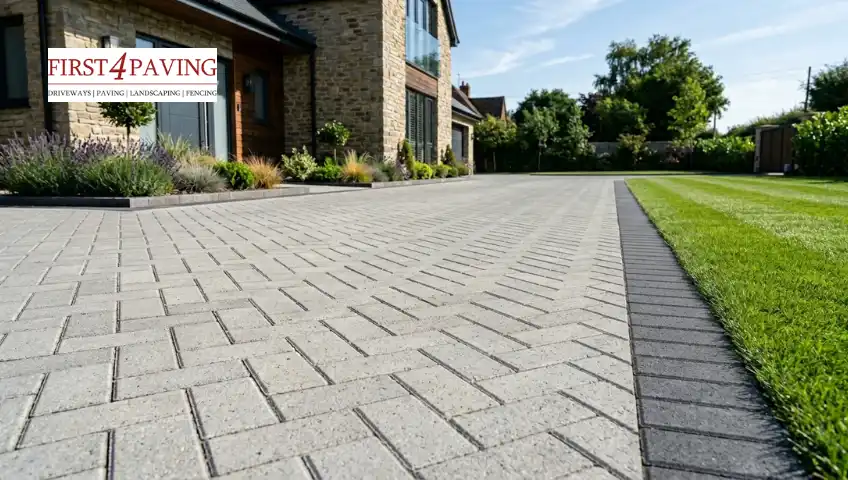
A light grey block paving driveway in a herringbone pattern features a contrasting dark charcoal border alongside a green lawn.

Block paving is one of the most popular driveway choices in the UK, and adding a contrasting border takes the finish from standard to premium. A well-chosen border creates definition, adds depth, and helps the main paving stay locked in place over time.

Popular border styles:

  • Dark border blocks around lighter paving (e.g. charcoal blocks around silver-grey)
  • Contrasting textures with a smooth border against a textured main body
  • Raised edging for a more structured, architectural look
  • Curved edge designs that follow the shape of the driveway

Colour matching tip: When choosing border colours, look at the existing materials on the house, including roof tiles, window frames, and brickwork, and try to echo one of those tones. This creates a more cohesive exterior rather than a driveway that looks disconnected from the property

6. Metal Driveway Edging for Contemporary Look

A close-up shot of a modern, curved driveway edging design with stainless steel borders, a grass strip, and dark pebbles.

Metal driveway edging is a modern choice used in many UK homes today. Steel or aluminium strips create very clean, sharp lines that give the driveway a smart and organised finish.It works especially well in minimalist garden designs and adds a neat architectural feel to the outdoor space.

Benefits of Metal Edging

  • Slim and discreet look
  • Rust-resistant options available
  • Easy to shape around curves
  • Works well with gravel and paving

Metal edging is often used in modern driveway border ideas for homeowners who want simple, strong, low-maintenance edges.

7. Timber Driveway Edging for Rustic Charm

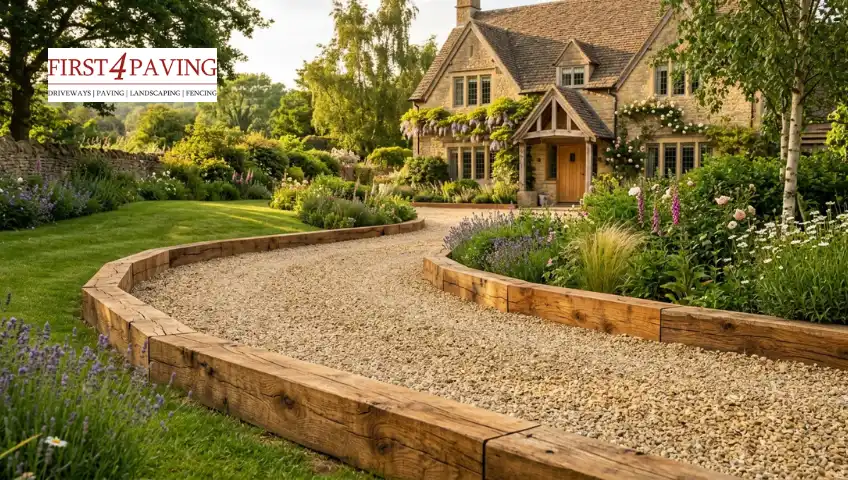
A curved gravel path edged with wooden beams snakes through blooming gardens up to a historic stone cottage

Timber driveway edging gives a warm and natural finish that suits countryside and cottage-style homes. Made from railway sleepers or treated wood, it creates a soft border that blends nicely with gardens, grass, and gravel driveways.

It works well in rural properties, sloped driveways, and natural driveway border landscaping ideas, where a simple and relaxed look is preferred.

To make it last longer, pressure-treated timber is best as it protects against moisture and rot, helping the edging stay strong for years.

8. Tarmac Driveway Edging for Cleaner Lines

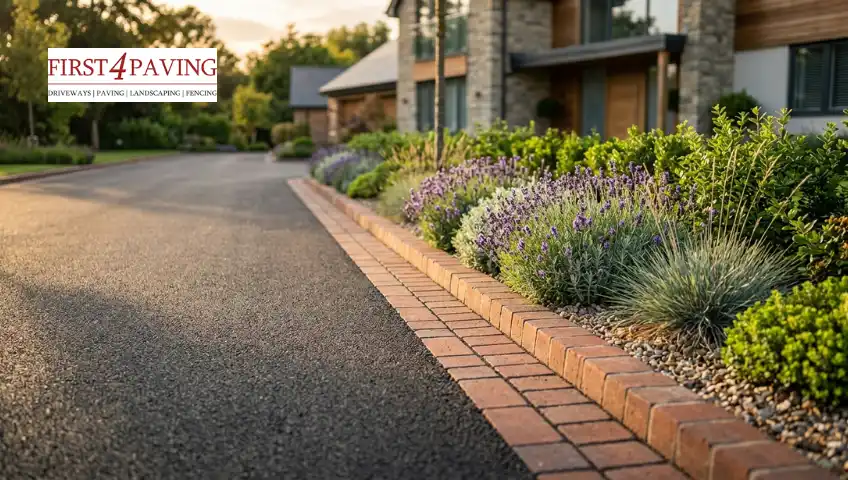
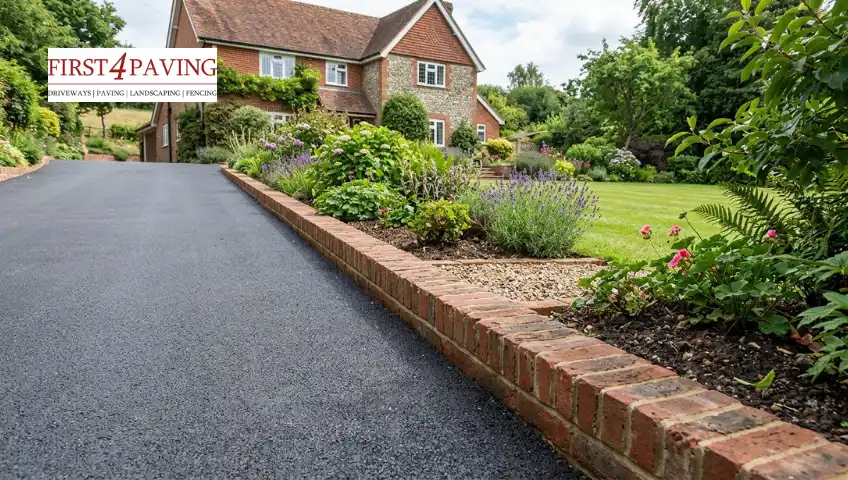
An asphalt driveway with a neat brick paver border runs alongside lush flower beds filled with purple lavender

Plain tarmac driveway surfaces are one of the most practical choices, but they can look flat and unfinished without a border to frame them. Adding edging creates a clear line between the tarmac and the surrounding garden, and also protects the edges from crumbling, which is one of the most common ways tarmac surfaces deteriorate over time.

Best border options for tarmac:

  • Brick: the most popular choice, adds colour and texture against the dark surface
  • Stone kerbs: a classic look that suits traditional properties
  • Concrete edges: clean and affordable
  • Block paving trims: adds a premium feel

Soft landscaping: One of the most effective ways to improve the appearance of a tarmac driveway is to add planted borders alongside the edging. Low-growing plants, ornamental grasses, or lavender alongside a brick border softens the dark surface and creates a more welcoming entrance.

9. Raised Edging for Extra Definition

A smooth asphalt driveway with a low brick retaining wall leads up to a large brick and stone country house

Raised edging is a great way to create a clear, well-defined boundary between your driveway and the surrounding landscape. It adds structure, improves visual appeal, and helps keep everything neatly in place.

This type of edging is particularly effective for sloped driveways or properties with large front gardens, where natural movement of materials can be an issue.

Practical benefits:

  • Prevents gravel and loose materials from spreading, even on a slope
  • Improves drainage by directing water away from the surface
  • Protects adjacent flower beds and lawns from vehicle encroachment
  • Adds visible structure that enhances the overall design

You can build raised edging using a range of materials such as bricks, concrete blocks, or natural stone, depending on the style and finish you want to achieve. It also works particularly well when combined with a professionally designed patio, creating a seamless transition between your driveway and outdoor living area. 

10. Decorative Driveway Edging for a Stylish Finish

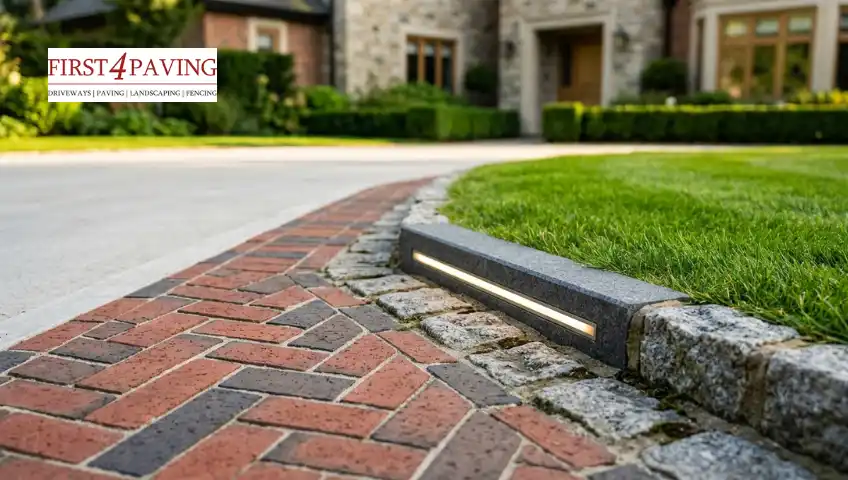
A herringbone brick driveway with cobblestone trim features an integrated stone curb light beside a green lawn

Decorative driveway edging is perfect for homeowners who want their driveway to stand out while still keeping a clean and organised appearance. It combines practical borders with visual design features to create a more attractive entrance.

Popular decorative edging ideas include:

  • Patterned brick borders for added texture
  • Cobblestone edging for a traditional UK look
  • LED lighting along driveway edges for modern homes
  • Mixed stone and gravel borders for contrast
  • Decorative kerbs with planted flower strips

These edging styles work well for both modern and traditional properties and can instantly improve kerb appeal without changing the entire driveway surface.

How to Choose the Best Driveway Edging

The best driveway edging depends on several factors.

Consider Your Driveway Material

Different edging styles suit different surfaces.

For example:

  • Gravel works well with brick and metal
  • Block paving suits contrasting borders
  • Tarmac looks cleaner with stone or brick edging
  • Concrete pairs nicely with modern kerbs

Think About Maintenance

Some materials need more care than others.

  • Timber may require treatment
  • Gravel needs occasional levelling
  • Concrete and stone usually need less upkeep

Match the Style of Your Home

Traditional homes often suit brick and natural stone. Modern properties usually look better with sleek concrete or metal edging.

Choosing matching materials helps create a more balanced exterior design.

Common Mistakes to Avoid

Here are some key mistakes homeowners often make when installing driveway edging:

  • Weak Foundations: Poor or shallow installation can cause the edging to shift, sink, or crack over time, reducing both strength and appearance.
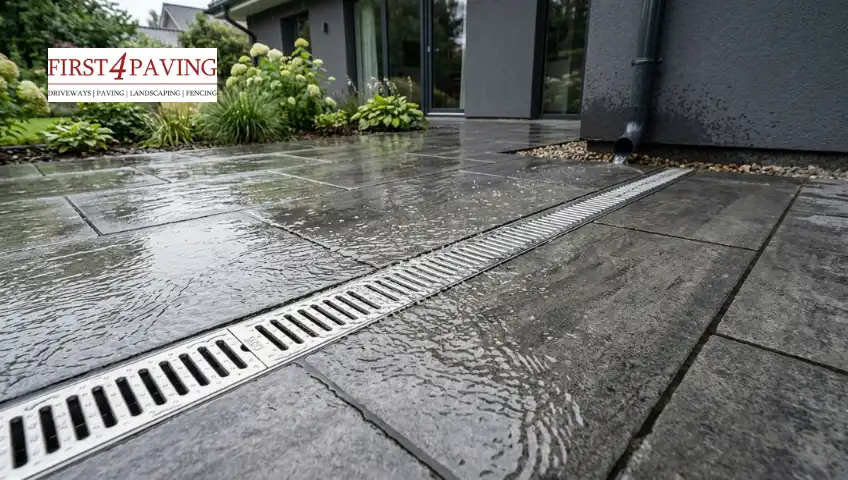
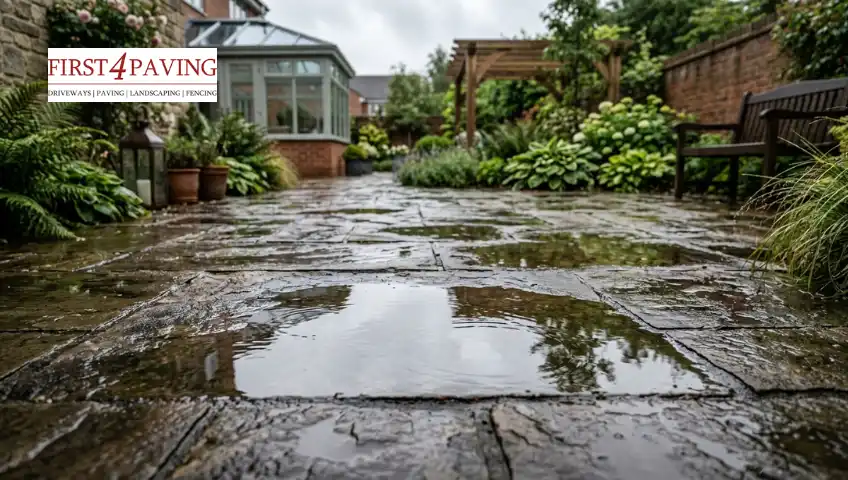
  • Ignoring Drainage: Failing to plan proper drainage can lead to water pooling, puddles, and long-term surface damage around the driveway edges.
  • Choosing the Wrong Materials: Not all edging materials are suitable for every driveway. Some may not withstand heavy vehicle pressure or steep gradients.
  • Poor Installation Quality: Uneven placement or lack of alignment can make the edging look untidy and reduce its effectiveness.
  • Overlooking Durability Needs: Always select strong, weather-resistant materials designed for outdoor and long-term use to avoid early wear and replacement issues.

Conclusion

The right driveway edging can completely change the look and feel of your outdoor space. From classic brick borders to modern concrete and natural stone finishes, there are plenty of driveway edging ideas that improve both appearance and practicality. Strong edging helps keep your driveway neat, supports the surface, and adds long-lasting curb appeal to your property. By choosing materials that match your home style and driveway surface, you can create a cleaner, more organised, and more attractive entrance that stands out for years to come.

FAQ’S

1. What is driveway edging, and why do I need it?

Driveway edging is a border that defines the edges of your driveway and keeps the surface in place. It is needed because it improves appearance, prevents the spreading of materials, and adds long-term strength to the driveway.

2. How do I choose the right driveway edging material?

You should choose the material based on your driveway type, style, and budget. For example, stone and brick work well for durability, while metal or concrete suits modern designs.

3. Does driveway edging help with drainage?

Yes, driveway edging can improve drainage by guiding water away from the surface. It helps reduce water pooling and keeps the edges stable during heavy rain.

4. What is the best material for durable driveway edging?

Stone, brick, and concrete are the most durable options for driveway edging. They can handle heavy traffic and weather conditions without getting damaged easily.

5. Can I install driveway edging myself?

Yes, simple edging like bricks or pavers can be installed as a DIY project with basic tools. However, complex or heavy materials are better installed by professionals for long-lasting results.

Cleaning tarmac driveway with brush and water showing surface detail.

How to Clean Tarmac Driveway: Simple Ways to Keep It Looking Fresh

A tarmac driveway takes a beating all year round. Rain, mud, oil drips, and organic growth like moss and algae gradually build up on the surface and make even a well-laid driveway look tired and neglected. And the worst part? Most homeowners do not notice the damage until it is already too late to fix with a simple cleaning.

Cleaning a tarmac driveway does not require expensive equipment or professional help. With the right tools, a gentle approach, and a simple routine, you can keep your driveway looking fresh and well-maintained throughout the year. Sound like something your driveway needs?

As a trusted driveway contractor in Enfield, we have seen every kind of tarmac problem imaginable. This guide walks you through everything you need to know, from the basic tools required to step-by-step cleaning instructions, how to deal with oil stains, and the common mistakes that cause unnecessary damage.

Why Regular Tarmac Driveway Cleaning Matters

A clean driveway does more than improve kerb appeal. Dirt and organic growth can slowly damage the surface if left untreated. Moss and algae hold moisture, which may weaken the top layer of the tarmac over time.

Regular tarmac driveway cleaning helps:

  • Improve the appearance of your property
  • Reduce slippery surfaces
  • Remove weeds and moss growth
  • Prevent long-term surface damage
  • Extend the life of your driveway

Cleaning your driveway once every few months can make a huge difference.

Things You Need Before Cleaning Tarmac

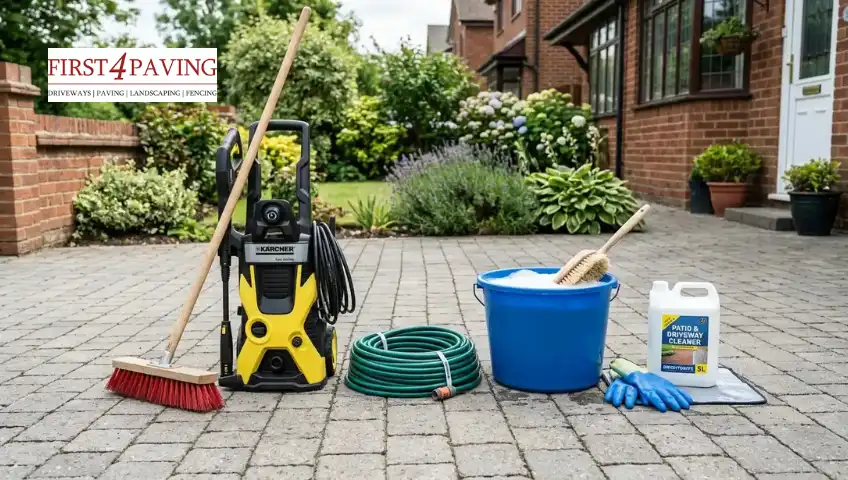
 Driveway cleaning tools neatly arranged, including broom, hose, brush, and pressure washer for tarmac cleaning preparation

Before you start cleaning tarmac driveway surfaces, it helps to have the right tools ready. Using proper equipment makes the work quicker, easier, and safer for the surface.

Essential Driveway Cleaning Tools

  • Stiff outdoor broom
  • Garden hose
  • A bucket filled with warm water
  • Soft brush or deck brush
  • Mild detergent or soap
  • Moss and algae remover
  • Pressure washer on a low setting
  • Protective gloves

Good driveway cleaning tools help lift dirt without damaging the tarmac. Soft brushes and gentle cleaning products work best because harsh scrubbing can wear down the surface over time.

The Best Way to Clean Tarmac Driveway Surfaces

Cold temperatures, heavy rain, and damp conditions can quickly damage poor-quality outdoor materials. Choosing durable, weather-resistant steps helps keep your entrance safe, attractive, and low-maintenance throughout the year. 

Step 1: Clear Away Loose Dirt and Debris

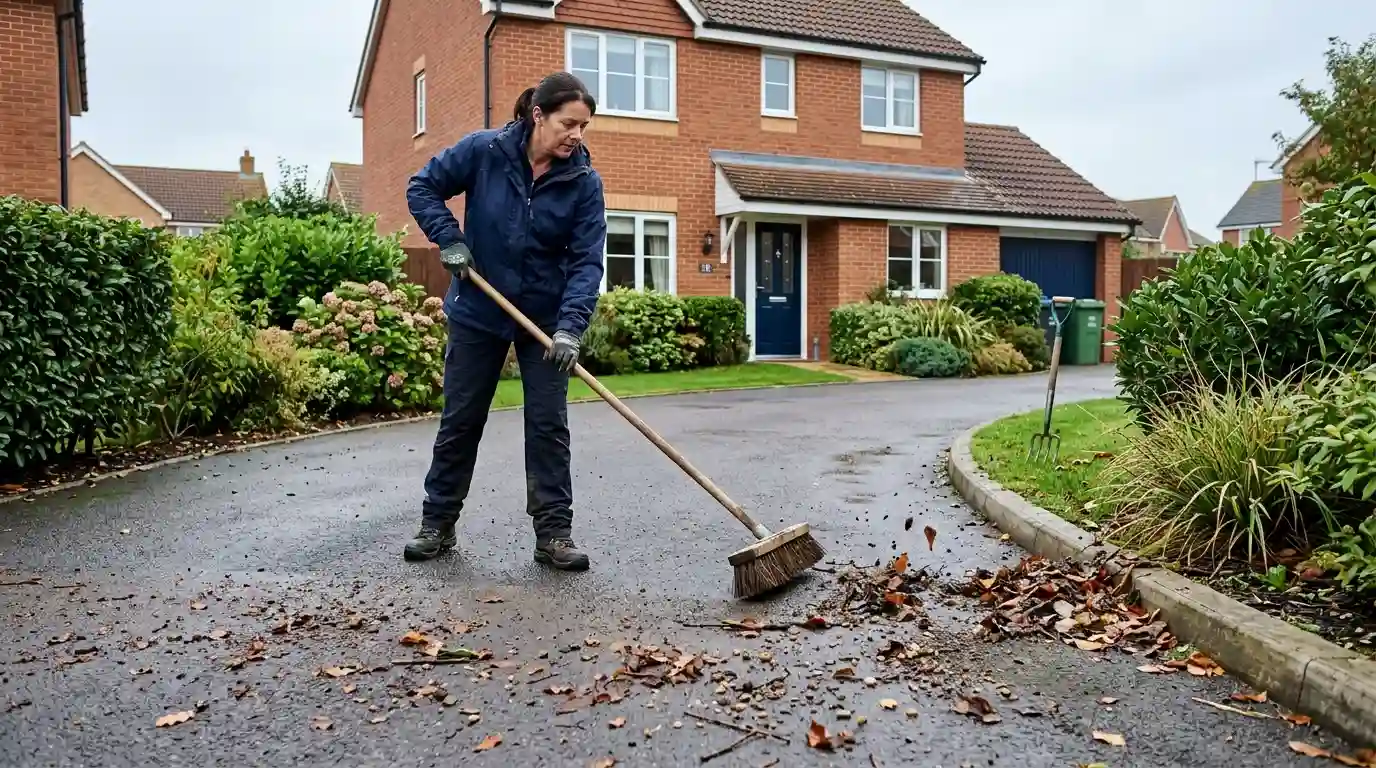
Person sweeping dirt and leaves from a tarmac driveway outside a UK home.

Start by sweeping the driveway with a stiff outdoor broom. Remove leaves, mud, weeds, and loose stones from the surface and edges. This stops dirt from turning into muddy patches once water is added.

Step 2: Remove Moss and Algae

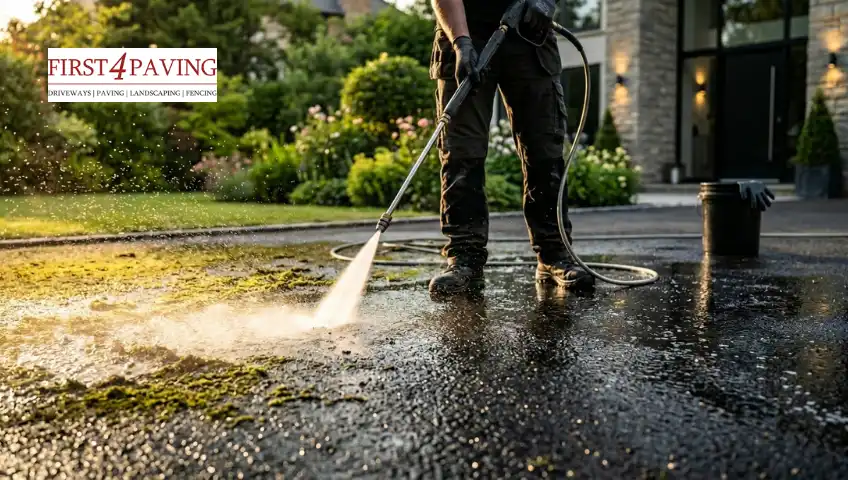
Moss and algae are common on tarmac driveways, especially in damp or shaded areas. Apply a suitable tarmac driveway cleaner and leave it for 10–20 minutes to allow it to work effectively. Then scrub gently if needed and rinse thoroughly with clean water. Avoid strong bleach products, as they may weaken the surface over time. 

Step 3: Wash the Surface Gently

Mix warm water with mild detergent in a bucket and scrub the driveway using a soft brush. Focus on stained areas and darker patches where grime builds up. This is one of the safest ways for cleaning tarmac driveway surfaces regularly.

Step 4: Rinse the Driveway Carefully

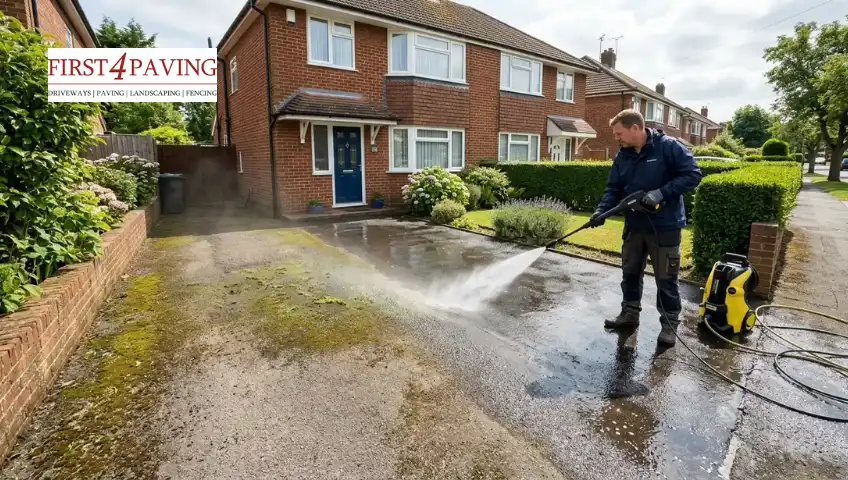
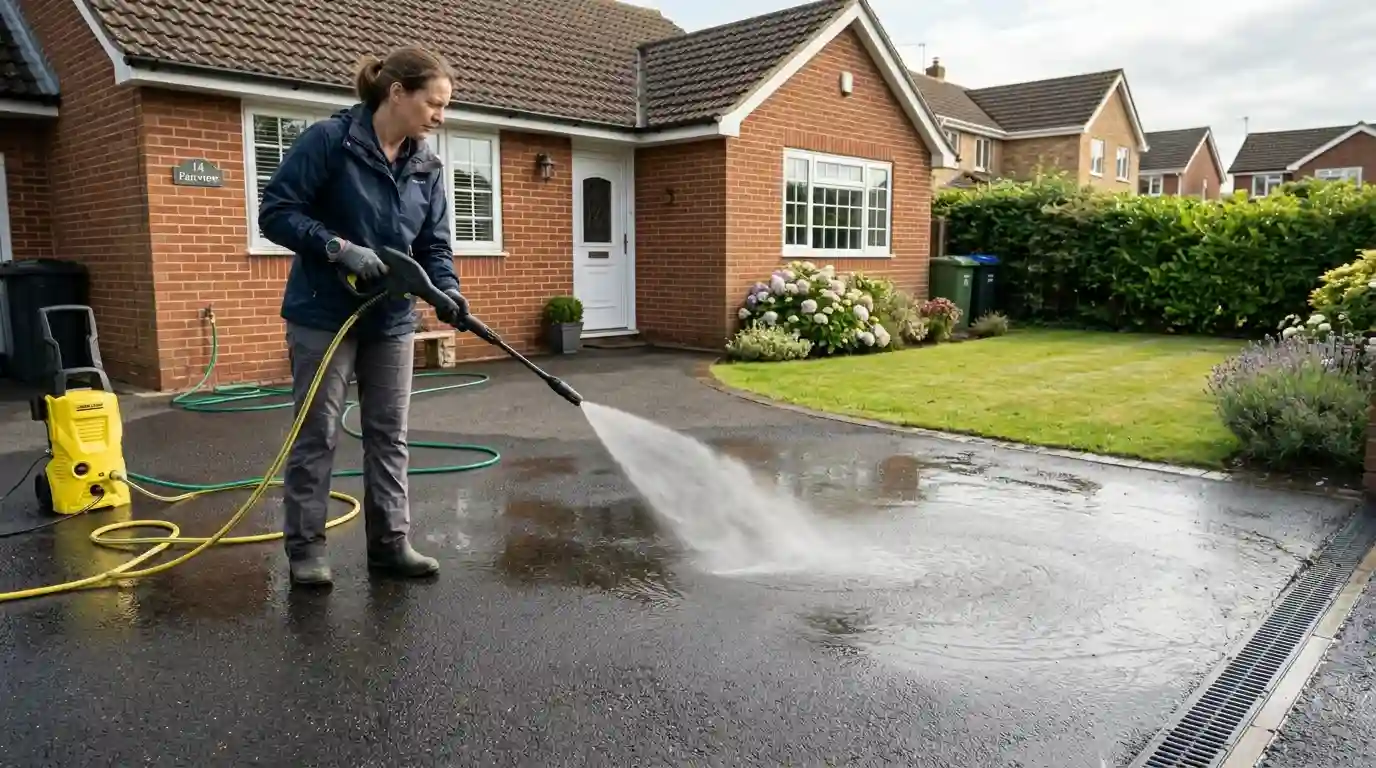
Person gently rinsing a tarmac driveway with a hose and low-pressure washer outside a UK home.

Rinse the driveway using a garden hose or a pressure washer on a low setting. Keep the pressure steady and avoid spraying too closely to the surface. Gentle rinsing helps clean tarmac driveway areas without damaging the finish. 

Step 5: Allow the Surface to Dry Fully 

Leave the driveway to dry completely before parking on it again. This usually takes two to three hours in mild weather, longer in cold or overcast conditions. Parking too soon can leave tyre marks or press dirt back into the surface while it is still damp. 

How Long Does It Take to Clean a Tarmac Driveway?

One of the most common questions homeowners ask is how much time they should set aside for the job. The honest answer depends on the size of your driveway and how dirty it is, but here is a rough guide to help you plan:

Driveway Size Basic Clean Deep Clean with Moss Treatment
Small (1-2 cars) 30–45 minutes 1.5–2 hours
Medium (2-3 cars) 45–90 minutes 2–3 hours
Large (4+ cars) 1.5–2 hours 3–4 hours


A few things that affect the time:

  • Moss and algae treatment needs to be left on the surface for 15–30 minutes before scrubbing, which adds to the total time.
  • Oil stains may need a second application and extra scrubbing time.
  • Drying time should also be considered. Tarmac needs at least a few hours to dry fully before parking on it again.
  • Pressure washing is faster than hand scrubbing, but use it only on driveways in good condition.

For a standard two-car driveway with no major staining, most homeowners can complete a thorough clean in around one hour. Set aside a full afternoon for a deep clean that includes moss treatment and stubborn stain removal.

Seasonal Tarmac Driveway Cleaning Guide

Tarmac driveways are exposed to changing weather conditions throughout the year. Following a seasonal cleaning routine helps keep the surface in good condition and prevents long-term damage.

Spring Cleaning

Spring is the best time to carry out a deep clean after the winter season. During colder months, moss, algae, and dirt often build up and need to be properly removed.

Checklist:

  • Remove leaves and winter debris
  • Apply moss and algae remover
  • Lightly scrub and rinse the surface
  • Inspect for cracks or surface damage
  • Apply tarmac sealant if necessary

Summer Maintenance

High temperatures in summer can soften the tarmac surface and make it more sensitive to damage. Simple and regular maintenance is usually enough to keep the driveway clean and safe.

Checklist:

  • Sweep the surface weekly
  • Clean spills as soon as they happen
  • Avoid parking heavy vehicles in extreme heat
  • Avoid pressure washing on very hot days

Autumn Preparation

Autumn brings falling leaves and increased moisture, which can quickly affect the driveway’s appearance. Regular cleaning during this season helps prevent stains and reduces moss growth.

Checklist:

  • Sweep leaves regularly
  • Remove wet debris promptly
  • Treat early signs of moss growth
  • Keep drainage areas clear

How to Remove Oil Stains from Tarmac

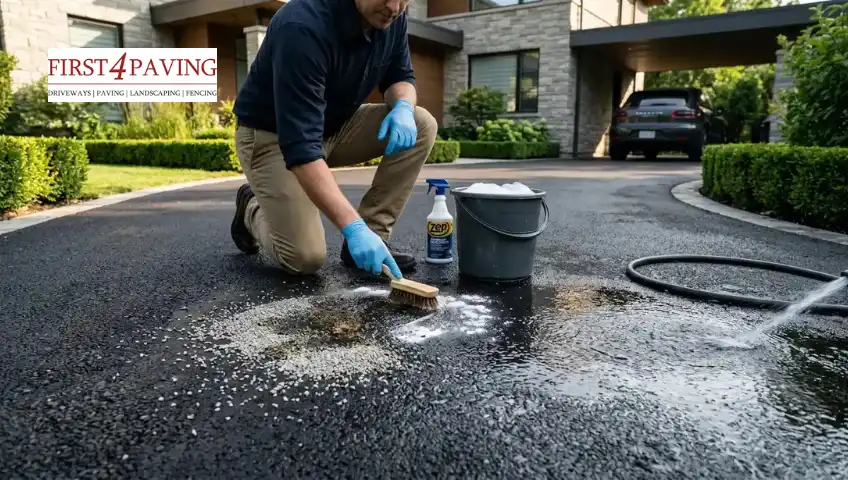
Oil stain being removed from tarmac driveway using cat litter and scrubbing with detergent for cleaning restoration

Oil stains are one of the most common problems on a tarmac driveway. Cars can leave dark patches that soak deep into the surface and make the driveway look untidy. Cleaning the stain quickly usually gives better results.

To remove oil stains from tarmac driveways:

  • Cover the stain with cat litter or baking soda
  • Leave it for a few hours to absorb the oil
  • Sweep away the leftover material
  • Scrub the area gently using warm water and mild detergent
  • Rinse the surface with clean water

For stubborn marks, use a specialist tarmac cleaner made for oil removal. Avoid petrol or harsh solvents because they can soften the tarmac and damage the surface over time. If the stain has soaked too deeply, a professional driveway cleaning service will get the job done safely. 

Common Mistakes to Avoid When Cleaning Tarmac

Using Too Much Pressure: A pressure washer on a high setting can strip the top layer of tarmac and loosen the stones embedded in the surface. Always use a low to medium setting, keep the nozzle moving, and maintain a safe distance of at least 30 centimetres. On older or cracked driveways, avoid pressure washing altogether and stick to hand scrubbing.

Using the Wrong Cleaning Products: Tarmac is softer than concrete and reacts badly to harsh chemicals. Bleach can discolour and weaken the surface. Petrol, white spirit, and acidic cleaners break down the bitumen binder that holds the tarmac together. Always use a mild detergent or a product specifically designed for tarmac or asphalt surfaces.

Leaving Moss and Algae Untreated: Moss and algae spread fast in damp or shaded areas. Left untreated, they hold moisture against the surface, which softens and gradually breaks down the tarmac underneath. They also make the surface dangerously slippery. Treat early and treat regularly rather than waiting until the growth becomes a visible problem.

Cleaning in Freezing Conditions: Water left in small surface cracks will freeze overnight and expand, widening those cracks further. Never pressure wash or deep clean your driveway when temperatures are near or below zero. If you need to remove ice or snow, use a plastic shovel and sand for grip rather than salt, which damages both tarmac and nearby plants.

Ignoring Spills: Oil, fuel, and other vehicle fluids soak into tarmac quickly. The longer a spill sits, the deeper it penetrates and the harder it becomes to remove. Keep absorbent powder or cat litter nearby and deal with any spills the moment they happen.

Top Tips to Keep Your Drive Looking Brand New

Now that you know how to wash tarmac driveway surfaces safely, keeping it looking great all year round is easy with a few simple habits:

  • Sweep regularly: Giving the drive a quick sweep once a week stops organic matter from breaking down and feeding moss seeds.
  • Avoid heavy parking: Try not to park heavy delivery vans or caravans on very hot summer days. When the tarmac gets hot, it softens, and heavy vehicles can leave permanent tyre dents.
  • Fix spills immediately: Keep a bag of absorbent powder handy so you can tackle car leaks the moment they happen.
  • Consider a sealant: Every few years, after completing a deep clean tarmac driveway routine, you can apply a fresh coat of tarmac sealer. This acts like a protective shield, restoring that rich black colour and blocking water from seeping into the pores.

Conclusion

Keeping a tarmac driveway clean is one of the simplest ways to maintain the overall look and value of your home. Regular cleaning helps prevent dirt, moss, and algae from building up, which not only improves curb appeal but also protects the surface from long-term damage. With the right tools and gentle methods, you can easily manage routine upkeep without harming the tarmac.

By following a consistent routine for cleaning a tarmac driveway, you can extend its lifespan and keep it looking fresh throughout the year. Simple habits like removing stains quickly, sweeping regularly, and occasionally deep cleaning make a big difference and ensure your driveway stays safe, clean, and visually appealing in all seasons. If your tarmac needs professional attention, feel free to contact us, and we will be happy to help. 

Frequently Asked Questions:

1. How do I clean a tarmac driveway without a pressure washer?

You can clean a tarmac driveway without a pressure washer by sweeping off loose dirt first, then scrubbing the surface with warm water and mild detergent using a stiff brush. Rinse it off with a garden hose for a clean finish. This method is safe and helps protect the surface from damage.

2. What is the best way to clean a tarmac driveway?

The best way is a combination of sweeping, using a mild tarmac-safe cleaner, gentle scrubbing, and low-pressure rinsing. Regular cleaning every few months prevents dirt, moss, and stains from building up and keeps the surface looking fresh.

3. How do you remove oil stains from a tarmac driveway?

To remove oil stains, apply cat litter, sand, or baking soda to absorb the oil. Leave it for a few hours, then scrub the area with warm water and mild detergent. For stubborn stains, use a tarmac-safe degreaser for better results.

4. What is the best cleaner for tarmac driveways?

The best cleaner is a mild detergent mixed with warm water or a specialist tarmac driveway cleaner. These remove dirt effectively without damaging the surface. Avoid bleach or strong acid-based cleaners as they can weaken the tarmac.

5. How often should you clean a tarmac driveway?

A tarmac driveway should be lightly cleaned every 1–2 months and deep cleaned every 6–12 months. Regular sweeping once a week also helps prevent moss, algae, and dirt buildup.

Luxury modern front door steps with LED lighting and landscaped UK home entrance

10 Gorgeous Front Door Step Ideas to Boost Your UK Home’s Kerb Appeal

Your front door steps are the first thing anyone sees when they visit your home. Before they ring the bell, before they step inside, they have already formed an opinion. And for most UK homeowners, those steps are cracked, stained, or just painfully plain because there is always something more urgent to spend money on. Sound familiar?

Fixing it does not have to cost a fortune or take weeks. The right front door step design can completely transform how your home looks, boost your curb appeal, and even add value to your property.

As a trusted driveway contractor in Enfield, we are sharing our experience to help you find the best front door step ideas for your property. Whether you have a red brick terrace in Manchester, a period cottage in the Cotswolds, or a modern new build on a new estate, these designs are built to look great and survive everything a British winter throws at them. 

Why Your Front Entrance Deserves an Upgrade

Before looking at the designs, let’s talk about why this project is worth your time. Your front doorstep is more than just a way to enter your home; it plays a big role in how your property looks and feels from the outside.

  • Kerb Appeal: Stylish front steps instantly make your home look cleaner, more welcoming, and well cared for.
  • Safety: Old or uneven steps can become slippery and unsafe, especially during rainy and frosty weather.
  • Property Value: A smart, well-designed entrance can leave a strong first impression and even increase your home’s value over time.

The right front door step design should not only look attractive but also stay durable throughout the changing UK seasons. Let’s explore some of the best ideas that combine style, comfort, and practicality.

1. Traditional Red Brick Borders

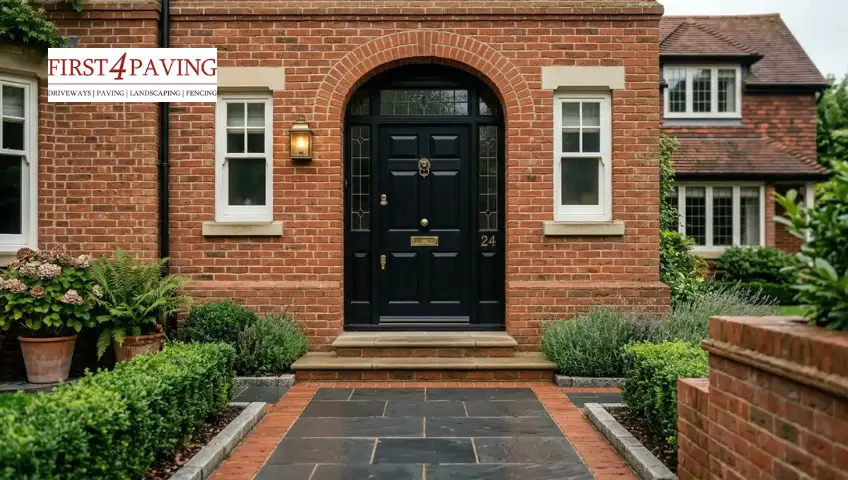
 Traditional red brick front steps of a UK home with warm and welcoming entrance

For a truly classic British look, brick is a fantastic choice. You can use engineering bricks to build a solid base and frame the edges of your path. Leaving the red brick exposed gives a warm, rustic feeling that pairs beautifully with a black or deep green front door. It is a timeless, reliable choice that never goes out of style.

Using brick allows you to match the exact age of your property. If your home has traditional red brickwork, continuing that theme onto your steps creates a smooth, unified look. It is simple to build, highly durable, and very easy to maintain over the years.

2. Elegant Indian Sandstone

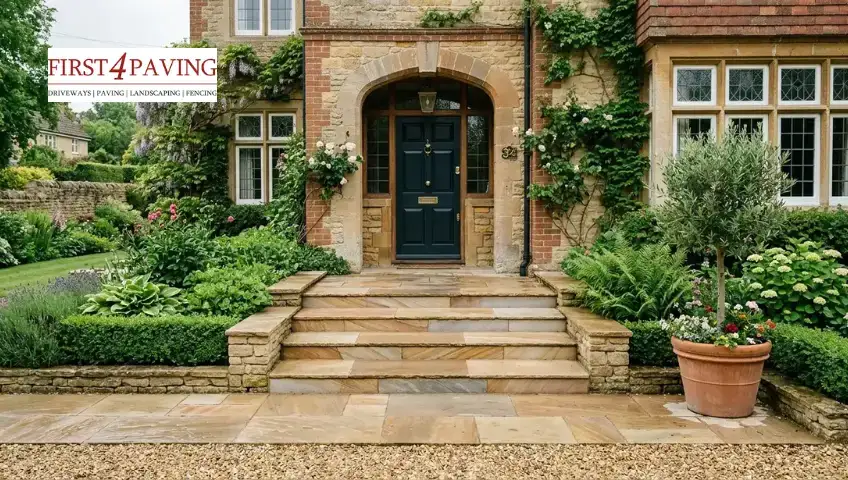
Elegant Indian sandstone front door steps with warm tones and natural texture in a UK home entrance

Indian sandstone is incredibly popular across the UK right now. It comes in gorgeous, warm tones like autumn brown, mint, and grey. It is naturally slip-resistant when wet, making it perfect for our rainy climate. Using wide slabs creates a premium, spacious look for your ideas for front door steps.

Because each slab of sandstone has unique patterns and tones, your entrance will have a completely custom look. This material is excellent for creating a smooth transition from a front garden patio installation or path right up to your threshold.

3. Floating Concrete Slabs

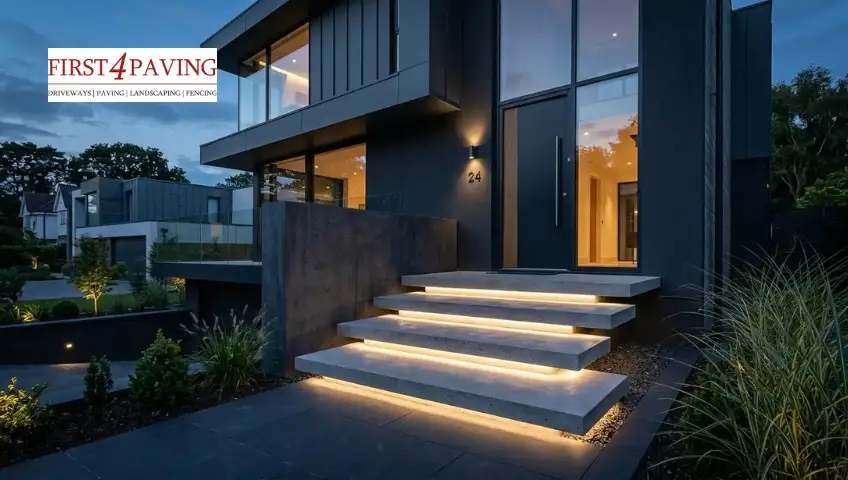
Modern floating concrete front steps with LED lighting, creating a stylish hovering effect at night

For an ultra-modern look, consider a modern concrete front steps design ideas layout. Instead of a solid block of stone, you can create layered, “floating” concrete steps. By leaving a small gap under the lip of each step, the structure feels light and stylish.

To make this design even better, you can install hidden, waterproof LED strip lights under each overhang. When night falls, your steps will look like they are hovering in the air, creating a beautiful path that safely guides your guests toward the doorway.

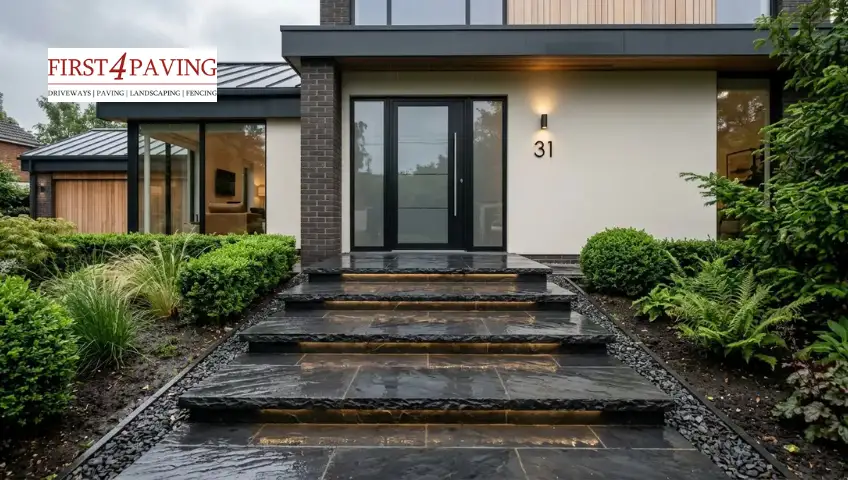
4. Dark Slate Styling

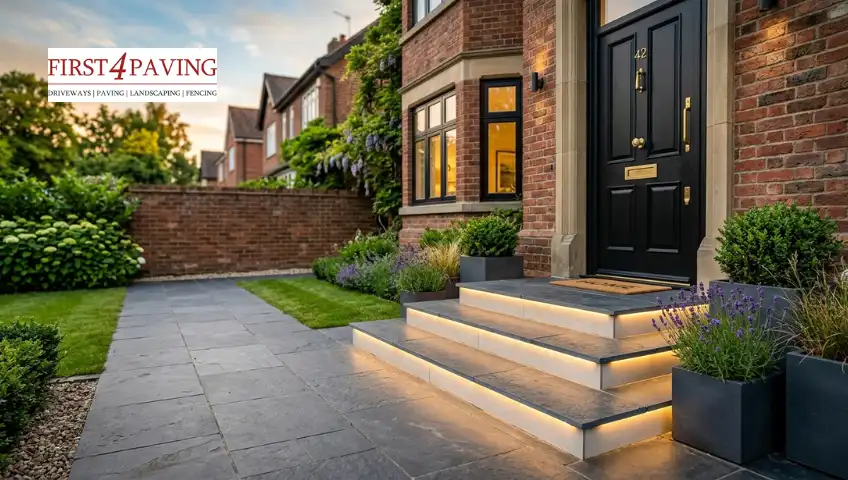
Dark slate front door steps with natural texture, creating a sleek modern entrance for a UK home

Slate offers a brilliant contrast, especially if your house has light-coloured brick or smooth render. Dark grey or black slate steps look sleek, expensive, and incredibly sharp. Just make sure the slate has a natural, cleft surface so it does not get slippery when it rains, making it a top choice for any modern home entrance. 

Slate holds up incredibly well against frost and heavy rain, meaning it won’t lose its deep colour or split apart over time. It is an excellent way to give an older house a clean, contemporary update without looking out of place.

5. Victorian Geometric Tiles

Victorian geometric tiled front door steps with classic black and white patterns on a UK terrace home

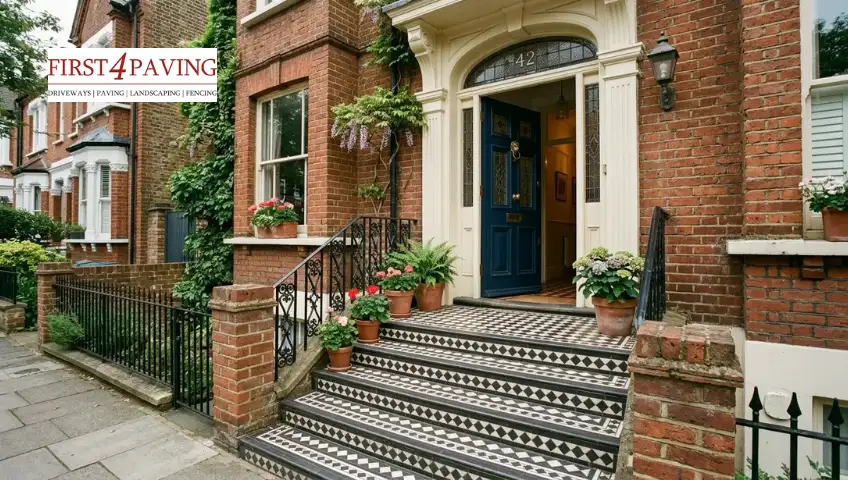
Walk around any historic UK town, and you will see stunning geometric tiled pathways leading to period homes. Bringing those classic black-and-white patterns right up onto your front door step tiles creates an instant wow factor. It is the perfect way to respect the history of an older Victorian or Edwardian terrace.

These tiles are fired at incredibly high temperatures, making them dense and resistant to water. While they require a bit of patience to lay perfectly, the final look is completely timeless and adds immense historic charm to your property.

6. Large Porcelain Paving

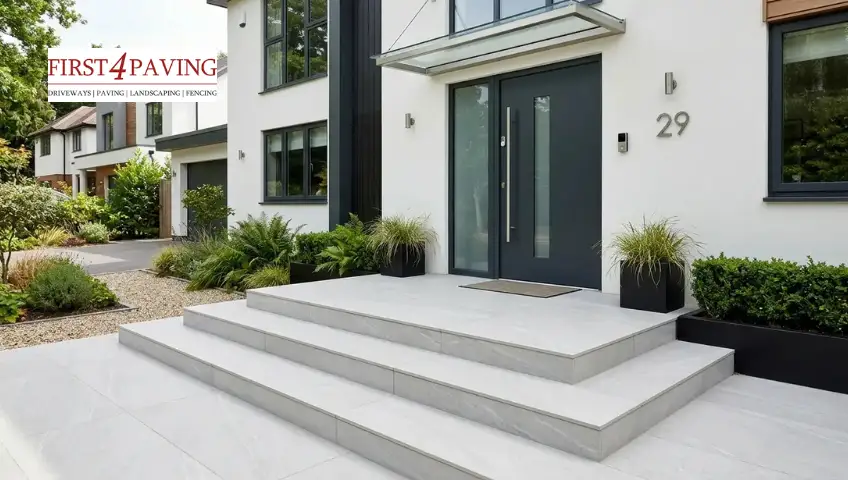
Large porcelain paving front door steps with sleek, minimal design and clean modern finish

Porcelain isn’t just for luxury kitchens anymore. Outdoor-grade porcelain tiles are perfect for front door steps. They don’t absorb water at all, meaning they won’t crack during severe winter frosts, and they come in realistic wood, marble, or limestone finishes that look incredibly clean.
Because porcelain slabs can be made very large, you can often cover a whole step with just one or two pieces. This reduces the number of grout lines, leaving you with a sleek, premium finish that needs nothing more than a quick wipe down with soapy water to look brand new.

If your porcelain or stone surface ever needs a deeper refresh, our professional driveway and patio cleaning service will restore it to its original finish without any hassle. 
7. The Wide Single Step
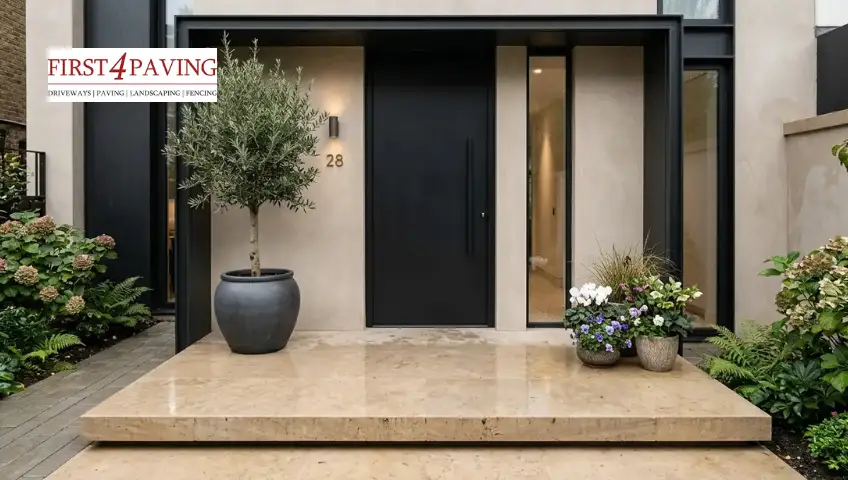
Wide single front door step platform creating a spacious and practical entrance for a small UK home


When space is tight, don’t try to squeeze in multiple small, steep steps. Instead, build a single, wide, generous platform. A larger platform makes the entrance feel much bigger than it actually is and gives your entryway a grander presence, making it perfect for small front door step ideas.

A wide single platform is also incredibly practical. It gives you plenty of room to stand comfortably while you look for your house keys in the rain, and it offers just enough space to place a small potted tree or seasonal flower display next to the frame.

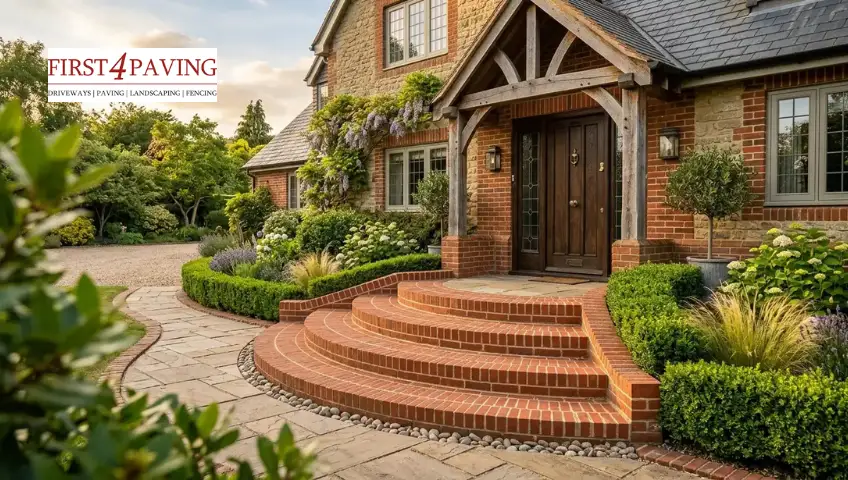
8. Curved Brick Semis

Curved brick semi-circular front steps creating a soft and welcoming entrance to a UK home

If you need to change direction quickly from a side garden path to your front door, a curved steps to the front door design works wonders. A semi-circular step built from brick gently guides you to the door from any angle, softening the sharp corners of a small front yard and creating a beautiful, welcoming entrance. 

Curved steps look softer and more organic than harsh squares. They draw the eye directly to the center of your house, creating a welcoming flow that works beautifully for both country cottages and grand suburban detached houses.

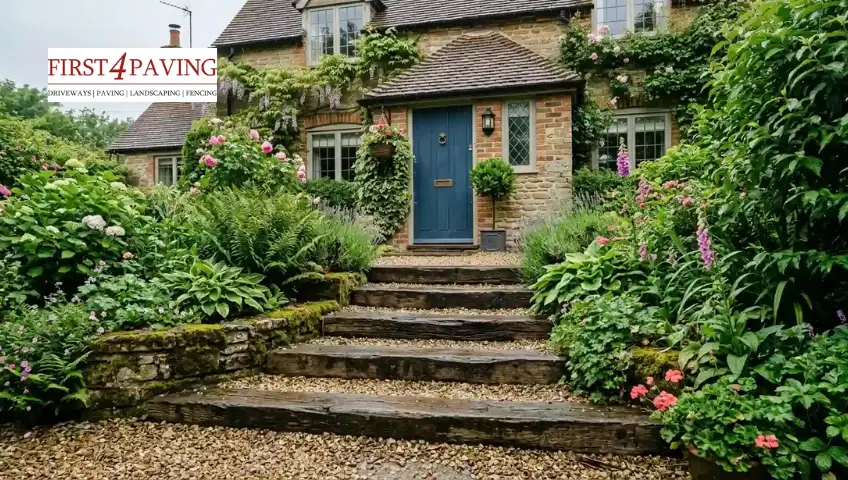
9. Rustic Wooden Sleepers

For a more natural and countryside-inspired look, wooden sleeper steps are becoming increasingly popular across UK homes. They create a warm, relaxed entrance that works beautifully with cottage style properties, garden pathways, and rural homes.

Timber sleepers pair especially well with gravel paths, greenery, and traditional brickwork. Pressure-treated wood can handle the damp UK climate surprisingly well when properly sealed, making this a stylish yet practical option for homeowners who want something softer and more organic than stone or concrete.

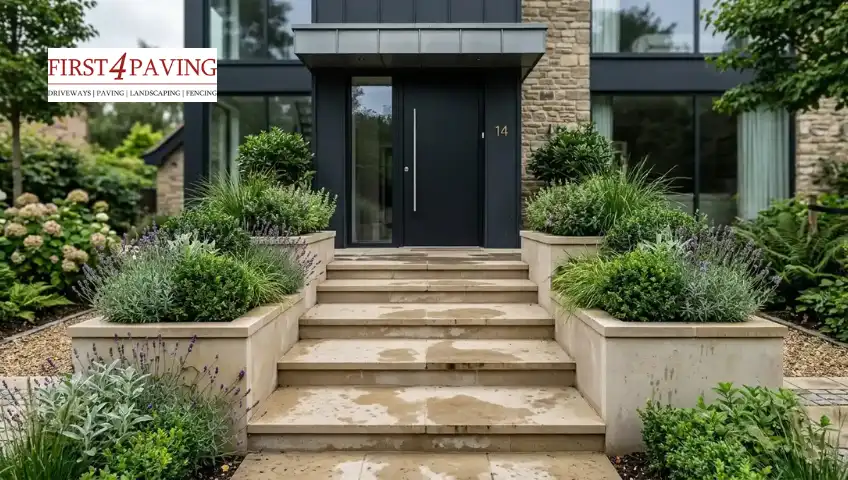
10. Built-In Planters and Greenery

Modern front steps with built-in planters filled with greenery creating a fresh and elegant entrance

If you want your entrance to feel more welcoming and luxurious, consider adding built-in planters beside your front steps. Combining greenery with stone, brick, or concrete steps instantly softens the entrance and adds colour throughout the year.

This idea works especially well for modern UK homes and smaller entrances that need extra character without major construction. Low-maintenance plants like lavender, small shrubs, or evergreen grasses can handle the British weather while giving your front entrance a fresh, stylish appearance.

Built-in planters also help frame the doorway beautifully, making the entire entrance feel more balanced, elegant, and inviting from the street.

Choosing the Best Materials for the UK Climate

When looking through different front entrance steps design ideas in UK galleries, it is easy to fall in love with how a material looks online. However, the UK’s damp and unpredictable weather can be tough on outdoor materials. Winters are often cold, wet, and prone to sudden frosts, so choosing the right material matters just as much as the design.

Here is a quick breakdown of how common materials perform:

  • Natural Stone: Offers beautiful natural variations and lasts a lifetime with great natural grip. It can be a bit expensive to buy initially, but it looks amazing on traditional and country homes.
  • Porcelain Tiles: Completely frost-proof and zero maintenance with a highly modern look. Just ensure you choose an R11 anti-slip rating for outdoor safety.
  • Brick: Highly affordable, easy to build with, and offers a classic look. However, moss can grow on it over time in damp, shaded areas, so it needs a wash once a year.
  • Concrete: Strong, long-lasting, and highly customisable. It can look a bit dull if left completely plain, so it works best when paired with modern outdoor lighting.

Top Tips for Designing Your New Front Steps

  • Keep the step height comfortable between 150mm and 170mm so it feels easy and safe to walk up every day.
  • This helps make your front door steps design more practical for all ages, especially children and elderly visitors.
  • Ensure every step is even and properly aligned to avoid uneven walking or slipping.
  • A balanced layout improves safety and gives a clean look to your entrance.
  • Add a slight slope away from the house to allow rainwater to drain properly.
  • This prevents water pooling and protects your doorway from damp issues, which is very important in the UK weather.

Conclusion

Your front entrance is one of the most important parts of your home; it’s the first thing people see and the last thing they remember. With the right design, your front steps can completely change the look and feel of your property. From traditional brick to modern porcelain or stylish slate, there is an option for every home style and budget.

The key is to balance design with practicality, especially in the UK’s changing weather. When done right, your entrance becomes more than just steps; it becomes a statement.

If you are ready to transform your front entrance, get a free quote today and let our team help you get started. 

FAQs

1. What are the best materials for front door steps?

 Concrete, stone, and brick are the most durable materials for front door steps. Wood and tiles are also used for decorative or covered entrances. The choice depends on durability, style, and maintenance needs.

2. How do I choose the right front door step design?

 The right design depends on your home’s architecture, available space, and budget. Safety and practicality should also be considered along with aesthetics. A balanced design improves both appearance and function.

3. Can I install the front door steps myself?

 Yes, simple wooden or small concrete steps can be installed as DIY projects. However, stone or complex designs require professional installation for safety and long-term stability. Poor installation can lead to structural issues.

4. What are the trending front door step designs?

 Popular trends include floating stone steps, LED-lit edges, and minimalist concrete finishes. These designs focus on clean lines and modern appeal. They also improve both style and visibility.

5. Can small entrances have stylish steps?

 Yes, even small entrances can look stylish with smart designs. Single platform steps or narrow deep steps work well in limited spaces. Adding planters can also enhance the overall look.